The New Era of Mixed Reality: AR Glasses Are Finally Mainstream
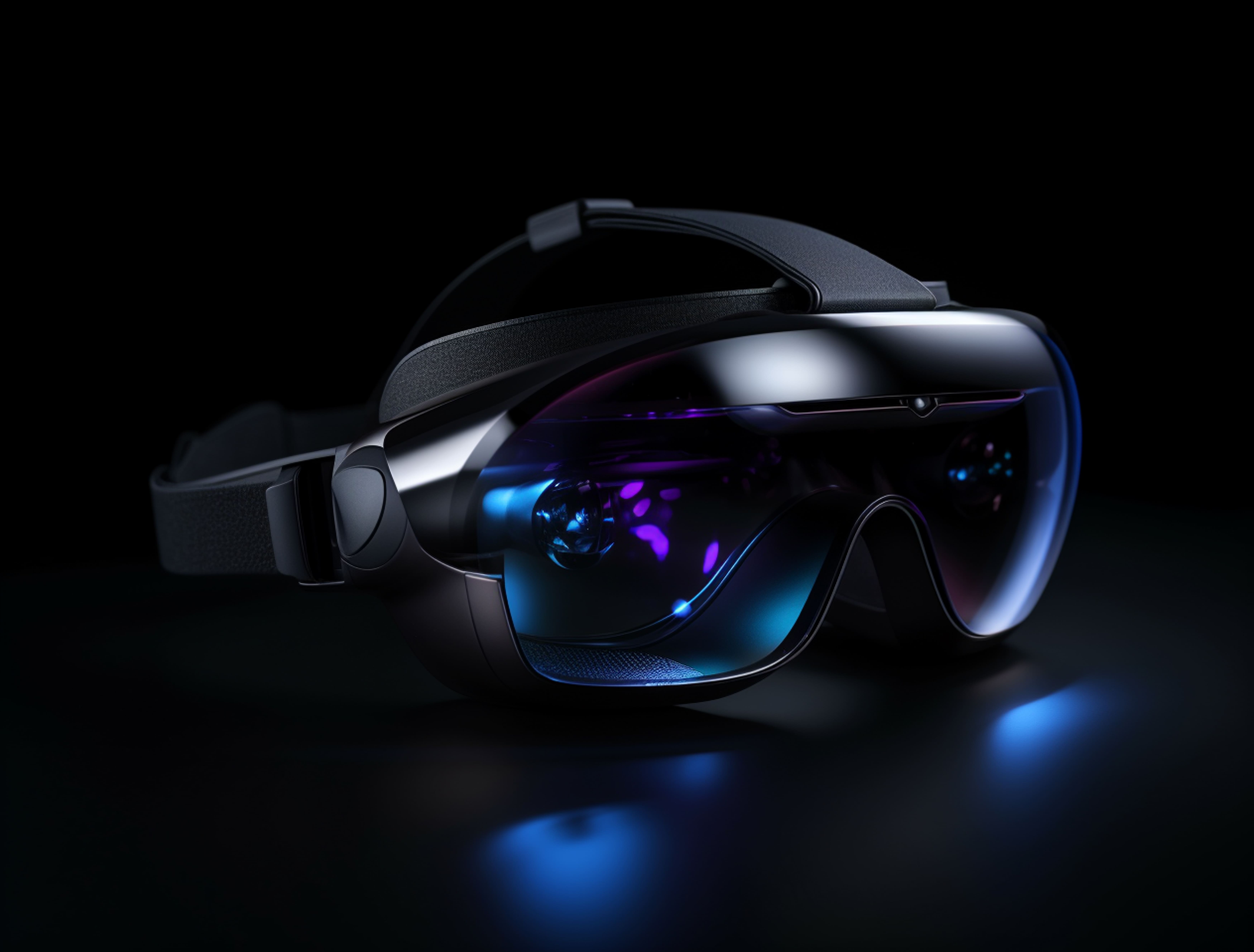
For more than a decade, augmented reality (AR) was treated as a “future technology.” It existed in gaming apps, experimental prototypes, and big tech promises that rarely reached the consumer market. But 2025 marks a turning point AR glasses have finally gone mainstream. With rapid advancements in optics, battery efficiency, spatial computing, and AI-driven interfaces, AR wearables are now smaller, lighter, more affordable, and incredibly intuitive.
This shift is not a coincidence it’s the result of years of R&D, powerful silicon upgrades, AI breakthroughs, and the emergence of mixed reality (MR) ecosystems.
This research-driven blog explores why AR glasses are entering the mainstream, the technologies behind their rise, their real-world use cases, the industry leaders, and the future of mixed reality.
Why AR Glasses Took So Long to Become Mainstream
Despite early excitement from devices like Google Glass (2013) and Microsoft HoloLens (2016), adoption was slow. The reasons were clear:
High cost
- Early enterprise AR devices cost $2000–$3500, making them inaccessible to everyday users.
Bulky and uncomfortable designs
- Waveguides, processors, and sensors made first-gen AR headsets heavy and awkward.
Limited field of view
- Early AR devices displayed tiny overlays instead of immersive visuals.
Weak battery life
- Several devices lasted less than 60–90 minutes on a single charge.
Lack of real utility
- Consumers never found compelling everyday use cases beyond novelty.
- But 2023–2025 changed everything. Advances in AI, compact optics, low-power chips, and spatial computing pushed AR into its new era.
Build Smarter Products with Us
The Technological Breakthroughs That Made AR Glasses Mainstream
To understand the rise of mixed reality wearables, we need to look at the technologies powering them.
Next-Gen Waveguides & Micro-LED Displays
Modern AR glasses use micro-LED and holographic waveguides, which offer:
- 5× brightness compared to older displays
- Better outdoor visibility
- Lower power consumption
- Thinner optical modules — lightweight and comfortable (38–50 grams)
On-Device AI Processors
The integration of AI accelerators directly into AR glasses enables hands-free smart features.
- Real-time object recognition
- Gesture tracking
- Voice commands
- Spatial understanding
- Translation, summarization, and navigation
Improved Battery & Charging Technologies
Advances in battery materials and low-power chipsets allow all-day usage of AR glasses.
- Silicone-based long-life batteries
- Ultra-low-power chipsets
- Efficient projection engines
- All-day battery life — major leap from early generations
Advanced Spatial Computing
Spatial computing lets AR glasses understand the geometry of your surroundings for accurate virtual object placement.
- Depth sensors
- SLAM (Simultaneous Localization and Mapping)
- Computer vision
- Scene reconstruction
- Virtual objects accurately stay in place in the real world
5G/6G & Edge Computing
High-speed, low-latency networks allow AR apps to offload processing to the cloud, reducing power usage and boosting performance.
- High-speed, low-latency networks
- Cloud processing to reduce device power usage
- Boosted performance for AR applications
How AR Glasses Are Being Used in Daily Life
For the first time, AR wearables are no longer “novelty gadgets.” They offer real value in day-to-day activities, which is why adoption is increasing.
Navigation & Travel
AR glasses project
- Projected routes and street highlights
- Building names and points of interest
- Real-time transit data
- Hands-free navigation experience
Language Translation
Instant subtitles appear when someone is speaking another language, enabling travelers and businesses to communicate globally.
- Real-time translation of spoken language
- Instant subtitles for conversations
- Facilitates travel and global business collaboration
Work & Productivity
AR glasses are replacing laptops and monitors in some industries, offering virtual screens, hands-free note-taking, live collaboration, and 3D modeling.
- Virtual screens for work applications
- Hands-free note-taking
- Live collaboration with remote experts
- 3D modeling and mixed reality applications
Smart Shopping
Retailers are using AR glasses for interactive shopping experiences, including virtual try-ons, product details, store maps, and personalized recommendations.
- Real-time product information
- Virtual try-ons
- Interactive store maps
- Personalized shopping recommendations
Education & Skill Development
Students can learn with 3D models of anatomy, machines, architecture, biology, and engineering structures. AR is integrated into training sessions and software development education.
- 3D models for human anatomy, biology, and machines
- Architecture and engineering structures visualization
- AR-integrated training sessions for students
- Embedded software development education
Healthcare
Doctors use AR glasses for live surgery assistance, real-time patient vitals, and complex procedure overlays. Mixed reality in healthcare is projected to reach $20B+ by 2030.
- Live surgery assistance
- Real-time monitoring of patient vitals
- AR overlays for complex medical procedures
- Projected $20B+ market by 2030
Field Work & Maintenance
Technicians use AR glasses to follow step-by-step repair instructions, view 3D assemblies and wire diagrams, and get remote expert guidance, improving troubleshooting accuracy by 40–60%.
- Step-by-step repair instructions
- 3D assemblies and wire diagrams
- Remote expert guidance
- Improved troubleshooting accuracy by 40–60%

Top Companies Leading the AR Glass Revolution
Apple Vision Pro & Apple AR Glasses (2025)
Apple accelerated public interest in spatial computing with high-quality displays, eye & gesture tracking, natural interface, and the powerful R1 chip. Rumored lightweight AR glasses are expected to dominate consumer use.
Meta
Meta’s partnership with Ray-Ban focuses on social interaction, AI voice assistants, and real-time visual overlays. Affordable pricing helped drive mainstream adoption.
Google re-entered the AR market with enterprise solutions, Maps-integrated AR, and AI-based translation. Practical use cases are prioritized over gimmicks.
Microsoft
Still dominant in industrial mixed reality: training, defense, manufacturing, and remote assistance. HoloLens remains a commercial standard.
Samsung, Xiaomi, Oppo
Asian manufacturers are making AR glasses accessible with lightweight designs, affordable pricing, and entertainment features, accelerating adoption in global markets.
The Economics: Why AR Is Becoming a Mass Market
Lower hardware costs
- Micro-LED and waveguide production costs dropped by 40% since 2020.
More competition
- Multiple brands entering the market means more affordable options.
Corporate adoption
- Enterprises invest heavily in AR for cost-saving and efficiency.
Consumer demand for hands-free tech
- People want alternatives to smartphones — and AR glasses fill that gap.
Bring your IoT & software ideas to life
The Future of AR: What’s Coming Next?
- AR-First Mobile Experience: Smartphones may become secondary as glasses become primary computing devices.
- Fully AI-Driven Smart Glasses: Glasses that detect emotions, predict user needs, summarize surroundings, and offer proactive actions. AI agents will merge with AR.
- Spatial Commerce: Shopping in 3D digital environments layered over the real world.
- Holographic Calling: Instead of video calls, holographic avatars will appear in your environment.
- AR in Social Media: Future social platforms will be designed specifically for AR overlays.
- Lightweight All-Day Wear: Future glasses will look identical to normal eyewear.
- Mixed Reality Workspaces: Offices with no monitors, just AR screens floating in the air.
Frequently Asked Questions (FAQ)
AR (Augmented Reality): Adds digital elements on top of the real world. Mixed Reality: Integrates digital objects into the real environment and allows interaction.
Yes. Modern waveguides and micro-LED technology are designed with minimal strain and adjustable brightness.
Not fully yet, but trends suggest AR glasses may eventually take over many smartphone functions
Yes. Modern micro-LED displays offer high brightness, making AR overlays visible even in direct sunlight.
Basic features work offline, but advanced AI and spatial apps perform better with 5G/6G connectivity.
Prices vary from $299 to $3500 depending on features. Consumer-targeted models are becoming increasingly affordable