Custom Arcade Game
Software Development
At DigitalMonk, we specialize exclusively in arcade machine software—the code, firmware, and user experience that bring your cabinet to life. We don't build cabinets or marquees; instead, we focus on rock-solid game logic, sleek UI, and seamless hardware integration so you can wow players without worrying about the tech under the hood.


Trusted by Innovative Companies Worldwide









What We Offer
From hardware-level firmware to polished front-end visuals, we deliver everything your arcade cabinet needs to run reliably and engage players.

Component List & Bill of Materials
A vetted inventory of buttons, joysticks, sensors, and screens that match your gameplay needs.
Firmware & Web App
Low-level control firmware plus a companion web dashboard for leaderboards, analytics, or remote updates.

Customised Motherboard Integration
We configure or design boards to optimise performance, I/O, and durability for custom arcade machines development projects.

Detailed Wiring Diagram
Clear schematics ensure your technicians can assemble, test, and service the cabinet in hours, not days.
UI / UX Design
Intuitive menus, animations, and on-brand visuals that maximise retention and monetisation.
How We Build Your Arcade Game
Every project follows the same disciplined sequence — from understanding your cabinet to shipping tested, production-ready software.
Discovery & Scoping
We audit your hardware, cabinet specs, and gameplay goals. You get a BOM review, I/O mapping, and a fixed project scope before any code is written.
Prototype & Play-Test
A working prototype runs on your actual hardware within weeks — not a mockup, a playable build you can test on the cabinet.
Development & Integration
Firmware, game logic, UI, and peripheral drivers are built in parallel. We test every coin acceptor, button, and sensor in-circuit — not in simulation.
QA & Deployment
Stress testing, burn-in runs, and OTA update verification. You receive final software, wiring diagrams, and documentation ready for your production line.
Our Arcade Game
Success Stories.
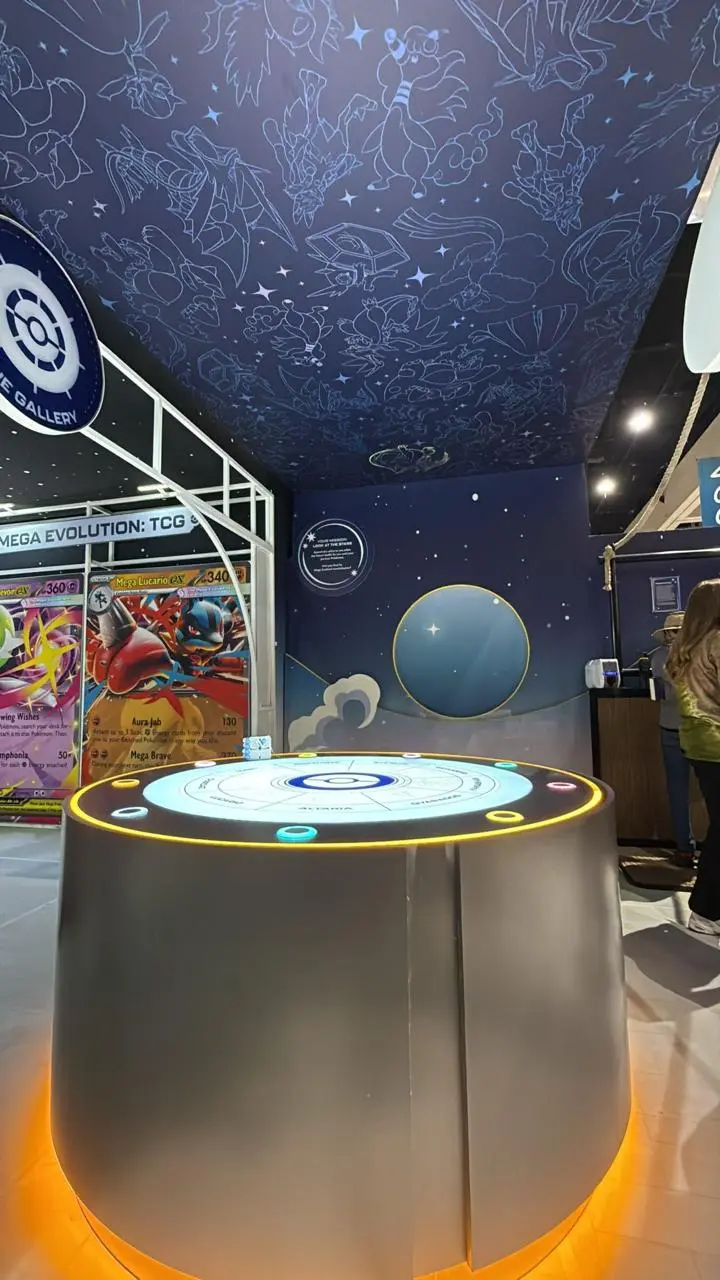
Interactive Exhibition Installation with Light & Sound
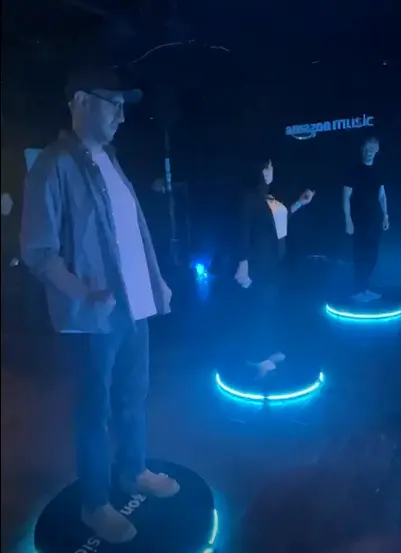
Interactive Music Floor — Pressure-Sensing Mats
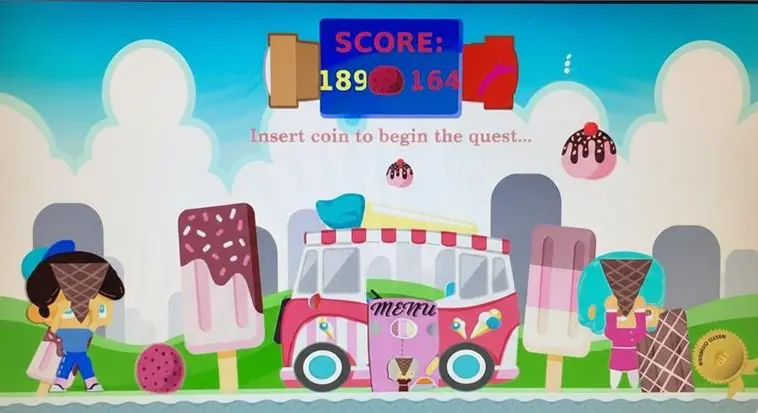
Ice-Cream Themed Arcade Game

Card-Matching Memory Game
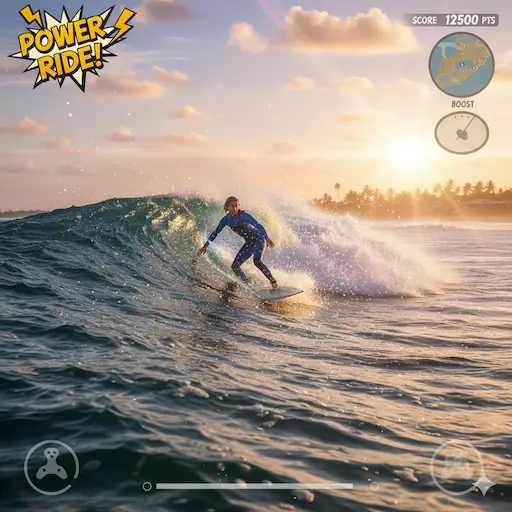
Motion-Based Surfboard Ride Game

Pirate's Adventure Arcade Game
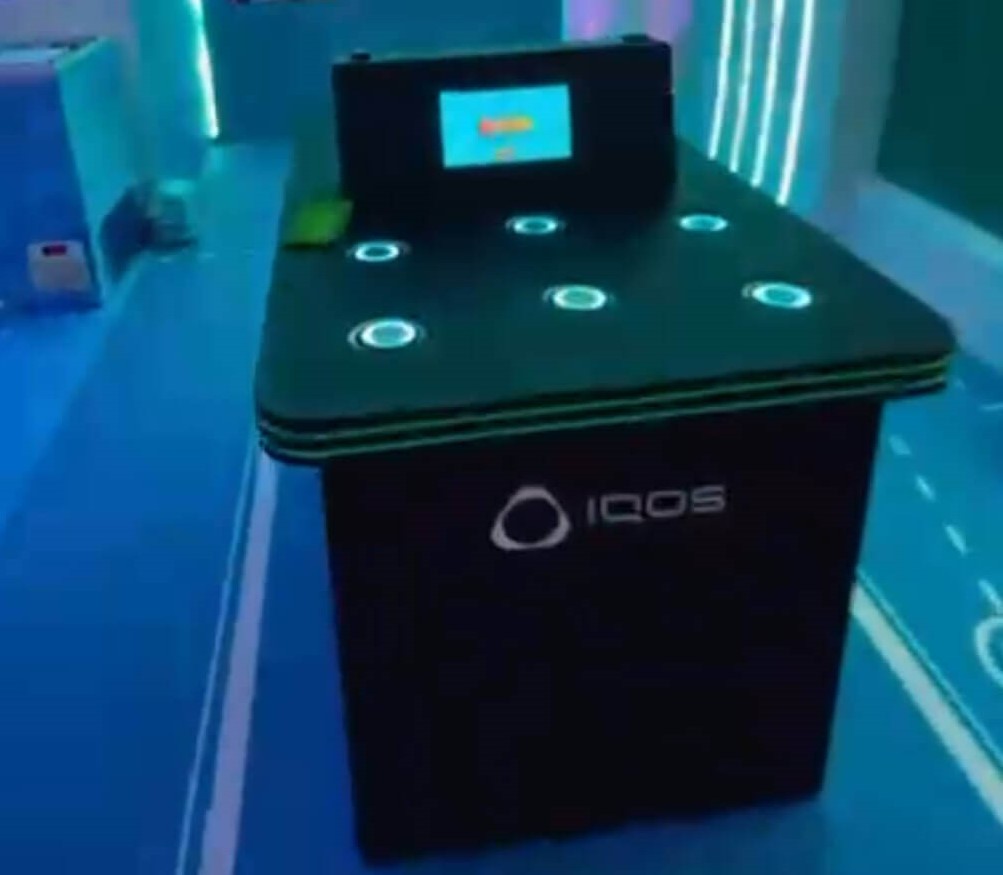
Reflexes Test Challenge
Need Games That Attract and Engage?
Whether you're outfitting a mall kiosk or a nationwide chain, we deliver arcade software that captivates audiences and drives ROI.
Why Arcade Operators Choose DigitalMonk
Hardware + Software Under One Roof
We write the firmware and design the PCB. No finger-pointing between vendors when something doesn't work — one team owns the entire stack.
NDA-First, Always
Your game concept is signed under NDA before we discuss a single detail. We've shipped branded activations for major names — discretion is non-negotiable.
OTA Updates Built In
Push new levels, seasonal branding, or bug fixes to your entire fleet remotely — no technician visit, no cabinet downtime.
Post-Launch Support
We don't disappear after delivery. Ongoing maintenance, analytics dashboards, and priority support keep your machines earning.
Convert Your Retro Arcade Games to Raspberry Pi
Many of our arcade clients come to us with the same problem: they have classic cabinets running on legacy chips that still draw players — but no way to accept cashless payments, track revenue, or push updates without opening the cabinet. Here is why businesses are investing in custom arcade game software.
We replace the original game board with a Raspberry Pi, port the game logic, and connect the cabinet to your cloud platform. The gameplay stays faithful to the original — but now it supports RFID card payments, WiFi-based remote management, real-time analytics, and over-the-air updates. One conversion turns a coin-only machine into a connected, monetisable asset.
See how we did it: Video poker cabinet fleet converted from legacy chip boards to Raspberry Pi with RFID payments.
Legacy Chip Board
Coin-only, no connectivity, no analytics, no remote updates
Raspberry Pi Conversion
Game logic ported, I/O mapped, drop-in replacement for the original board
Cloud + RFID Connected
Cashless payments, live analytics, fleet management, OTA updates
Types of Arcade Games We Build

Games that challenge reflexes and timing—like claw machines, hammer hits, or quick-reaction tests—rewarding players with points or tickets.
Skill-Based & Ticket Redemption
Interactive experiences where players control bikes, boards, or racing pods, often enhanced with sensors or VR for immersive movement-based gameplay.
Motion & VR Simulators
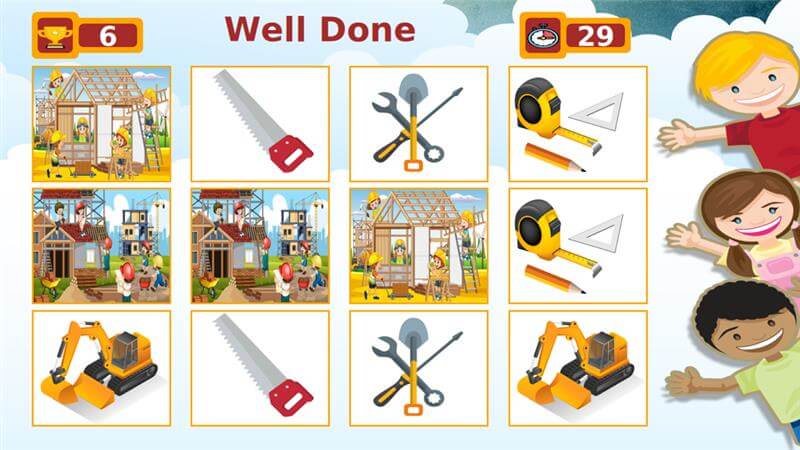
Brain-teasing games that challenge pattern recognition and recall, designed for quick rounds and high replayability in kiosk and FEC settings.
Puzzle & Memory Titles
Fast-paced games where players tap, dance, or play virtual instruments in sync with music, designed for fun, coordination, and replayability.
Rhythm & Music Games
Custom games built for awareness, training, or learning—covering STEM topics, safety drills, or corporate messaging in a playful format.
Branded Educational Experiences
Co-op or versus titles designed for 2 or more players, perfect for social settings, events, and venues looking to increase group engagement.
Multiplayer Party Games
Our Tech Stack
Our expertise includes working with a wide range of microcontrollers and development platforms such as STM32, Raspberry Pi, ESP32, Arduino, and more.
- Optimize board layout for enhanced performance and thermal efficiency
- Integrate specific I/O interfaces (GPIO, UART, SPI, I2C, CAN, etc.)
- Ensure long-term durability with industrial-grade components
- Support custom enclosures, form factors, and power management
We also welcome client collaboration—if you have a preferred MCU or hardware suggestion, we can seamlessly integrate it into your custom design.
What Our Clients Are Saying
“Highly stable, customizable software with excellent support—perfect for our arcade environment.”
Frequently Asked Questions
A single-screen casual title averages 3-6 weeks from concept to cabinet testing. Motion simulators may require 10-14 months.
Yes. We include OTA (over-the-air) update hooks so you can push new levels or branding assets without opening the cabinet.
We provide a BOM plus wiring diagram. Most projects run on readily-available PC-based boards; others use our customised motherboard for cost or size savings.
If it meets I/O, screen, and power specs we can port the code; else we'll recommend minimal off-the-shelf upgrades.
Absolutely. Optional web dashboards track plays, revenue, dwell time, and error logs.
Looking for Arcade Games to Promote Your Brand?
Whether you're outfitting a mall kiosk or a nationwide chain, DigitalMonk can deliver arcade machine software that captivates audiences and drives ROI.