How IoT Solutions Are Transforming Industries in South Africa
South Africa is rapidly emerging as a technology-driven economy, and at the heart of this transformation lies the Internet of Things (IoT). From smart mining operations to intelligent agriculture and connected healthcare systems, IoT solutions are reshaping how industries operate, compete, and grow. Businesses are no longer relying on manual processes or reactive decision-making. Instead, they are embracing real-time data, automation, and predictive insights powered by IoT.
This blog explores how IoT solutions are transforming key industries in South Africa, the challenges being addressed, and why businesses are actively investing in smart, connected technologies.
Understanding IoT and Its Role in Industrial Transformation
The Internet of Things refers to a network of connected devices embedded with sensors, software, and communication technologies that collect and exchange data over the internet. These devices enable businesses
In South Africa, where industries face challenges such as infrastructure gaps, energy constraints, and operational inefficiencies, IoT acts as a powerful enabler of digital transformation. It bridges the gap between physical assets and digital intelligence.

Looking for a Reliable IoT Partner in South Africa?
IoT in Mining: Enhancing Safety and Productivity
Mining is one of South Africa’s most critical industries, contributing significantly to GDP and employment. However, it is also one of the most hazardous sectors. IoT solutions are playing a key role in improving both safety and operational efficiency.
Smart sensors installed in mines monitor temperature, gas levels, vibration, and equipment health in real time. Wearable IoT devices track miners’ locations and vital signs, helping prevent accidents and enabling faster emergency response. Predictive maintenance powered by IoT reduces equipment downtime and costly failures.
By adopting connected mining solutions, companies are reducing risks, increasing output, and extending the lifespan of expensive machinery.

Smart Agriculture: IoT Empowering South African Farmers
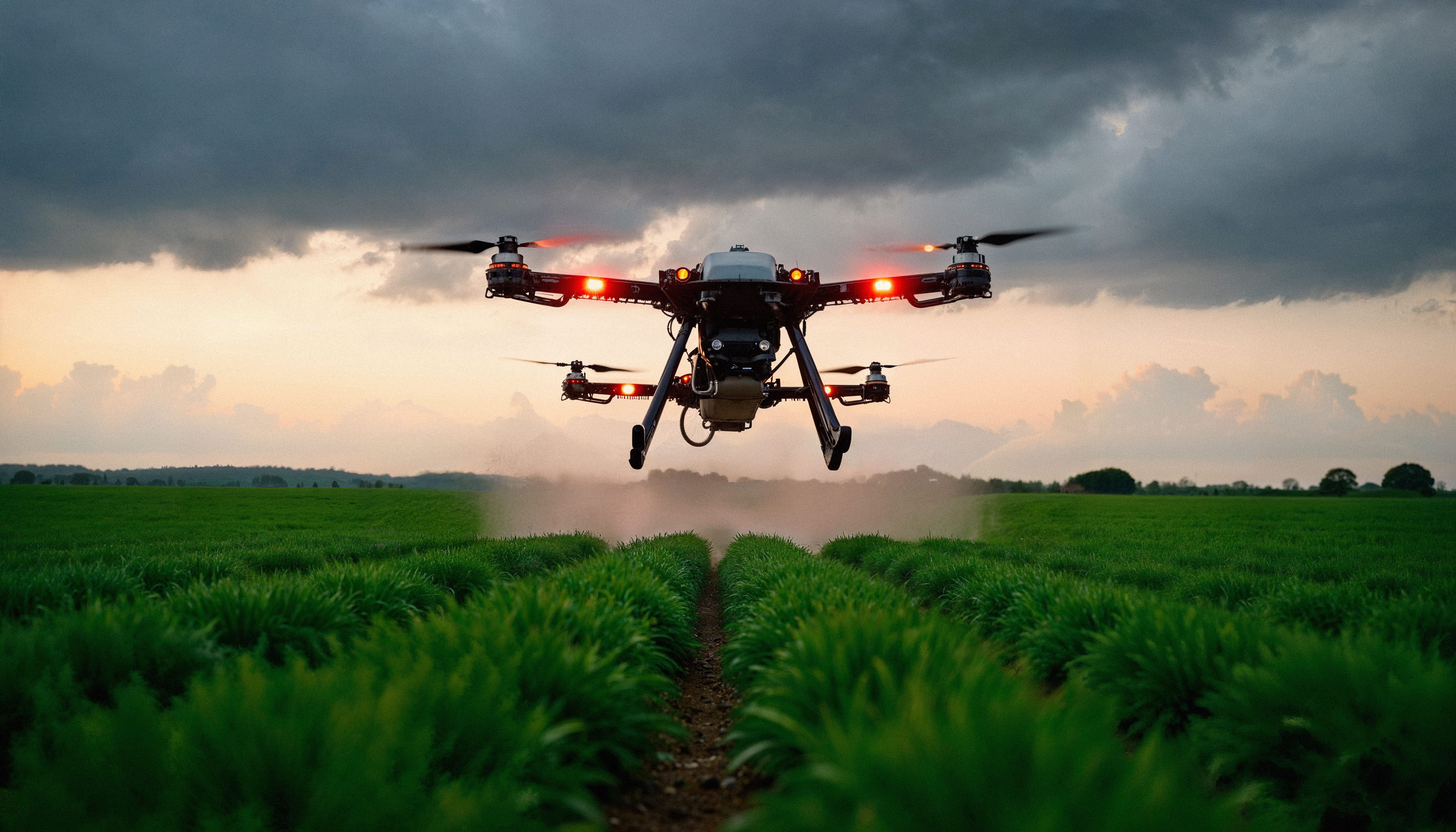
Agriculture is another sector undergoing a major shift with IoT adoption. South African farmers face unpredictable weather conditions, water scarcity, and rising operational costs. IoT-based smart farming solutions help address these challenges efficiently.
Soil moisture sensors, climate monitoring systems, and smart irrigation technologies allow farmers to use water resources optimally. Livestock tracking systems provide real-time insights into animal health, movement, and feeding patterns. Drones and connected cameras help monitor crop health and detect diseases early.
With IoT, farmers can improve crop yields, reduce waste, and increase profitability while practicing sustainable agriculture.
IoT in Energy and Utilities: Building a Smarter Infrastructure
South Africa’s energy sector has been under immense pressure, making efficiency and reliability more important than ever. IoT solutions are transforming how energy and utilities are managed.
Smart meters enable real-time monitoring of electricity and water usage, helping utilities detect leaks, prevent theft, and manage demand more effectively. IoT-enabled grids allow better load balancing and faster fault detection. Renewable energy systems such as solar and wind farms use IoT sensors to optimize power generation based on environmental conditions.
These connected systems not only improve service delivery but also support long-term sustainability goals.

Healthcare Transformation Through IoT
The healthcare industry in South Africa is leveraging IoT to improve patient care and operational efficiency. Connected medical devices monitor patients remotely, reducing hospital visits and enabling early diagnosis of critical conditions.
IoT wearables track heart rate, oxygen levels, and activity patterns, allowing doctors to provide personalized care. Smart hospital systems manage assets such as medical equipment and monitor environmental conditions to maintain hygiene and safety standards. In rural and underserved areas, IoT-enabled telemedicine solutions are bridging the gap between patients and healthcare providers, making quality care more accessible.
From Sensors to Cloud
Manufacturing and Industrial Automation
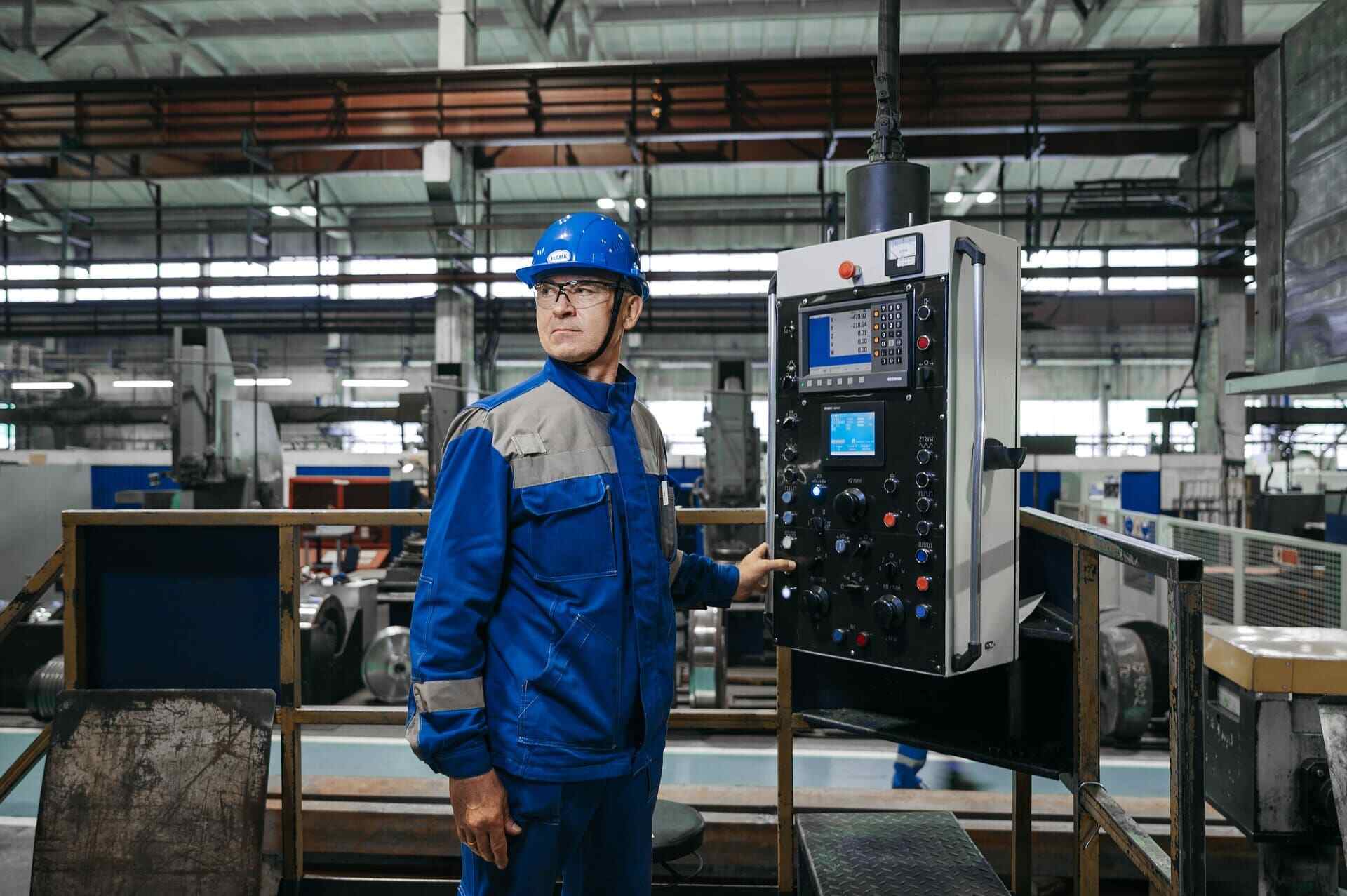
South Africa’s manufacturing sector is embracing Industry 4.0 through IoT-driven automation. Smart factories use connected machines to monitor production lines, track inventory, and ensure quality control.
IoT sensors detect anomalies in equipment performance, enabling predictive maintenance and reducing downtime. Real-time analytics help manufacturers optimize workflows, reduce waste, and improve overall efficiency.
This digital shift allows manufacturers to remain competitive in global markets while reducing operational costs.
Smart Cities and Urban Development
Urbanization in South Africa is accelerating, increasing pressure on infrastructure and public services. IoT is playing a vital role in building smarter, more sustainable cities.
Connected traffic management systems reduce congestion and improve road safety. Smart street lighting adjusts brightness based on real-time conditions, saving energy. Waste management systems use sensors to optimize collection routes and reduce operational costs.
These solutions improve quality of life for citizens while helping municipalities manage resources efficiently.

Retail and Supply Chain Optimization
Retailers and logistics companies in South Africa are using IoT to enhance customer experience and streamline supply chains. Smart shelves track inventory levels automatically, reducing stockouts and overstocking.
IoT-enabled tracking devices provide real-time visibility into shipments, improving delivery accuracy and reducing losses. Temperature monitoring sensors ensure the safety of perishable goods during transportation. By leveraging IoT data, businesses can respond quickly to market demands and customer expectations.
Challenges in IoT Adoption and How They Are Being Overcome
While IoT adoption is growing, South African businesses face challenges such as connectivity limitations, data security concerns, and integration with legacy systems. However, advancements in cloud computing, edge processing, and secure communication protocols are helping overcome these barriers.
Organizations are also partnering with experienced IoT solution providers to design scalable, secure, and customized systems that align with local infrastructure and business goals.
Turn Your IoT Idea into a Market-Ready Product

Choosing the Right IoT Partner in South Africa
Successful IoT implementation requires more than just hardware. It demands expertise in embedded systems, cloud platforms, data analytics, and industry-specific requirements. Businesses looking to adopt IoT should work with a technology partner that understands both global standards and local challenges.
Many enterprises searching for the Best IoT Company in South Africa focus on providers that offer end-to-end solutions, from device development to deployment, integration, and long-term support. A reliable IoT partner ensures scalability, security, and measurable ROI.
The Future of IoT in South Africa
The future of IoT in South Africa looks promising. With the rollout of 5G, increased cloud adoption, and government initiatives supporting digital transformation, IoT will continue to expand across industries. We can expect greater use of AI-powered IoT systems, smarter automation, and deeper data-driven decision-making. Businesses that invest in IoT today will gain a competitive edge and be better prepared for the digital economy of tomorrow.
Conclusion
IoT solutions are no longer optional for South African industries—they are essential for growth, efficiency, and sustainability. From mining and agriculture to healthcare and smart cities, connected technologies are transforming how businesses operate and deliver value.
As IoT adoption accelerates, choosing the right strategy and technology partner becomes critical. Companies that embrace this transformation today will lead their industries tomorrow, driving innovation and long-term success across South Africa.
Frequently Asked Questions (FAQ)
IoT solutions connect devices, sensors, and software to collect real-time data and automate processes. In Israel, IoT is critical due to its strong innovation ecosystem, focus on efficiency, and demand for secure, data-driven systems.
Mining, agriculture, healthcare, energy, manufacturing, and smart cities.
It improves safety, enables predictive maintenance, and boosts productivity.
Yes, IoT solutions are scalable and cost-effective for SMEs.
When implemented correctly, IoT systems use secure data and encrypted communication.