
ESP32 vs STM32 for IoT Device Development: Which One Should You Choose?
The Internet of Things (IoT) industry is growing rapidly. From smart home devices and industrial automation to vending machines and connected consumer electronics, IoT hardware development requires the right microcontroller platform.
Two of the most widely used platforms in IoT device development are ESP32 and STM32. Both are powerful, widely adopted, and capable of building scalable IoT products, but they serve different development needs. In this guide, we’ll explore the differences between ESP32 and STM32, their strengths, real-world use cases, and how to decide which platform fits your IoT project best.
What is ESP32?
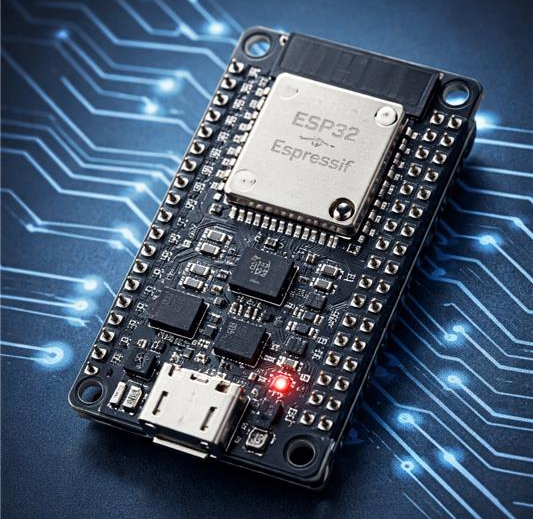
The ESP32 is a low-cost, feature-rich microcontroller developed by Espressif Systems. It is the powerhouse behind modern IoT, integrating Wi-Fi and dual-mode Bluetooth directly into a single chip.
Because wireless connectivity is built-in, it's extremely popular for devices needing to communicate with mobile apps or cloud platforms.
Key Features
- Dual-core processor up to 240 MHz
- Built-in Wi-Fi and Bluetooth
- Low power consumption modes
- Large developer community
- Affordable hardware cost
Common IoT Applications
- Smart home devices
- IoT sensors
- Smart vending machines
- Remote monitoring systems
- Smart lighting systems
What is STM32?
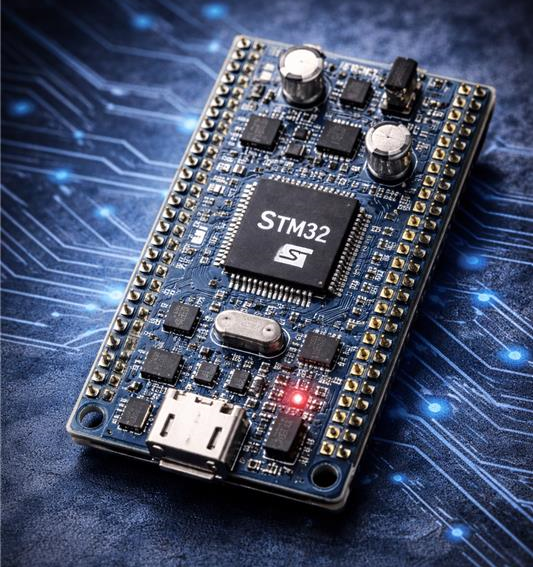
The STM32 is a family of high-performance microcontrollers developed by STMicroelectronics. These chips are widely used in industrial systems, medical devices, automotive electronics, and high-reliability embedded systems.
Unlike ESP32, STM32 does not typically include built-in Wi-Fi. Instead, it focuses on performance, precision control, and hardware flexibility.
Key Features
- High performance ARM Cortex processors
- Wide range of variants for different applications
- Industrial-grade reliability
- Advanced peripheral control
- Real-time deterministic performance
- Excellent power efficiency
Common STM32 Applications
- Industrial automation
- Robotics and motor control
- Medical devices
- Automotive systems
- High-precision embedded systems
Need Help Building Your IoT Device?
ESP32 vs STM32: Key Differences
1. Connectivity
Built-in Wi-Fi and Bluetooth integrated directly into the chip. Ideal for internet communication.
Typically requires external modules, increasing hardware complexity but allowing greater design flexibility.
2. Processing Power & Performance
Dual-core processing powerful enough for networking, sensor processing, and cloud communication.
Large range of performance levels. High-end variants provide more control, precision, and real-time performance.
3. Development Ecosystem
Supports Arduino IDE, ESP-IDF framework, and MicroPython. Very beginner-friendly.
Uses professional environments like STM32CubeIDE, Keil uVision, and IAR Embedded Workbench.
4. Cost of Development
Extremely affordable; includes wireless and requires fewer external components.
Boards often require additional modules (Wi-Fi/BT), increasing the total bill of materials.
5. Power Efficiency
Supports low-power modes suitable for most general IoT applications.
Optimized for ultra-low-power applications, especially battery-powered industrial devices.
Start Your IoT Device Development
When to Choose ESP32
- Built-in Wi-Fi connectivity
- Fast IoT prototyping
- Low hardware cost
- Cloud-connected devices
- Mobile app integration
Many companies hire ESP32 developer experts for smart home and vending products.
When to Choose STM32
- Industrial reliability
- Real-time control systems
- High precision hardware control
- Advanced peripheral interfaces
- Safety-critical environments
Businesses often hire embedded developer specialists for RTOS and firmware optimization.
Real-World IoT Device Examples
| Device Type | Recommended Platform |
|---|---|
| Smart thermostat | ESP32 |
| Smart vending machine | ESP32 |
| Industrial sensor controller | STM32 |
| Robotics controller | STM32 |
| Smart lighting system | ESP32 |
ESP32 vs STM32: Final Comparison
| Feature | ESP32 | STM32 |
|---|---|---|
| Wi-Fi | Built-in | External module required |
| Bluetooth | Built-in | External module required |
| Performance | Moderate | High |
| Cost | Low | Moderate |
| Industrial Use | Limited | Very common |
| Ease of Development | Easy | Advanced |
ESP32-Based IoT Device Development
How to Choose the Right Platform
Selecting between ESP32 and STM32 depends on three main factors:
Connectivity Requirements
If your device needs to talk to the cloud or mobile apps immediately, integrated Wi-Fi/Bluetooth is non-negotiable.
Performance & Control
Determine if you need high-speed real-time processing, low-latency interrupts, or complex industrial protocols.
Hardware Complexity
Consider the PCB size and component count. ESP32 simplifies the board, while STM32 offers more pin-out flexibility.
If your device requires fast internet connectivity and cloud integration, ESP32 is often the best option.
If your system requires industrial-grade performance and precise hardware control, STM32 is usually the better choice.
Ready for Production?
For production-ready devices, many companies choose to hire ESP32 developer professionals or hire embedded developer teams who can design firmware, optimize performance, and ensure long-term device stability.