Real-World Use Cases of Embedded AI
in Smart Devices and Automation
Artificial Intelligence is no longer limited to cloud servers. Today, AI runs directly on devices — inside machines, sensors, cameras, and automation systems.
Why Embedded AI Matters in Smart Systems
Traditional automation systems follow predefined logic. Embedded AI adds:
Adaptability
Adjusts to changing environments without reprogramming.
Learning capability
Improves over time using real-world data.
Intelligent decision-making
Evaluates multiple factors to choose optimal actions.
This enables systems to:
Real-World Embedded AI Use Cases
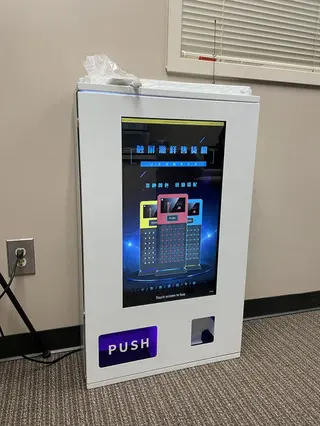
1. Smart Vending Machines
Modern vending systems are evolving beyond simple inventory management.
User behavior analysis
Understand purchase patterns in real time
Inventory prediction
Forecast demand with machine learning
Intelligent recommendations
Suggest products based on context
Remote diagnostics
Self‑monitoring and alerts
📌 Example: An AI‑powered vending machine can:
- Detect purchasing patterns
- Predict stock shortages
- Optimize inventory automatically
2. Industrial Predictive Maintenance
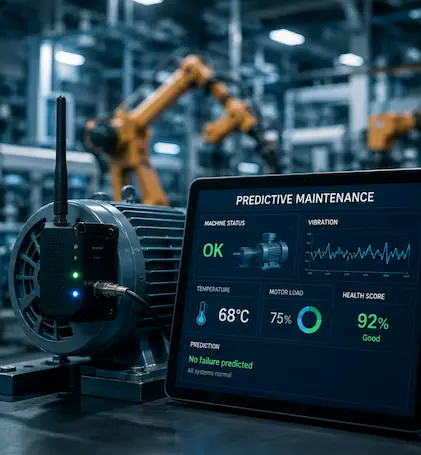
One of the biggest industrial applications of embedded AI.
AI models deployed on edge devices monitor:
- Vibration
- Temperature
- Motor behavior
to predict equipment failures before they happen.
Benefits: Reduced downtime, lower maintenance costs, increased equipment lifespan.
3. Smart Surveillance Systems
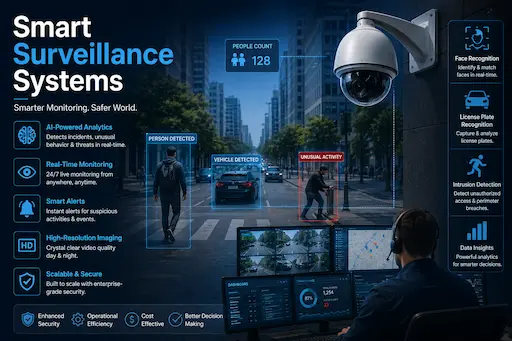
Traditional surveillance systems only record footage.
Embedded AI enables:
- Real-time object detection
- Motion analysis
- Intrusion alerts
without sending all video data to the cloud.
Improves: Response speed, privacy, bandwidth efficiency.

4. Autonomous Robots
Embedded AI enables robots to:
- Navigate environments
- Avoid obstacles
- Make decisions in real time
Devices like Raspberry Pi are commonly used for robotics prototyping, sensor fusion, and edge processing.
5. Smart Agriculture Systems
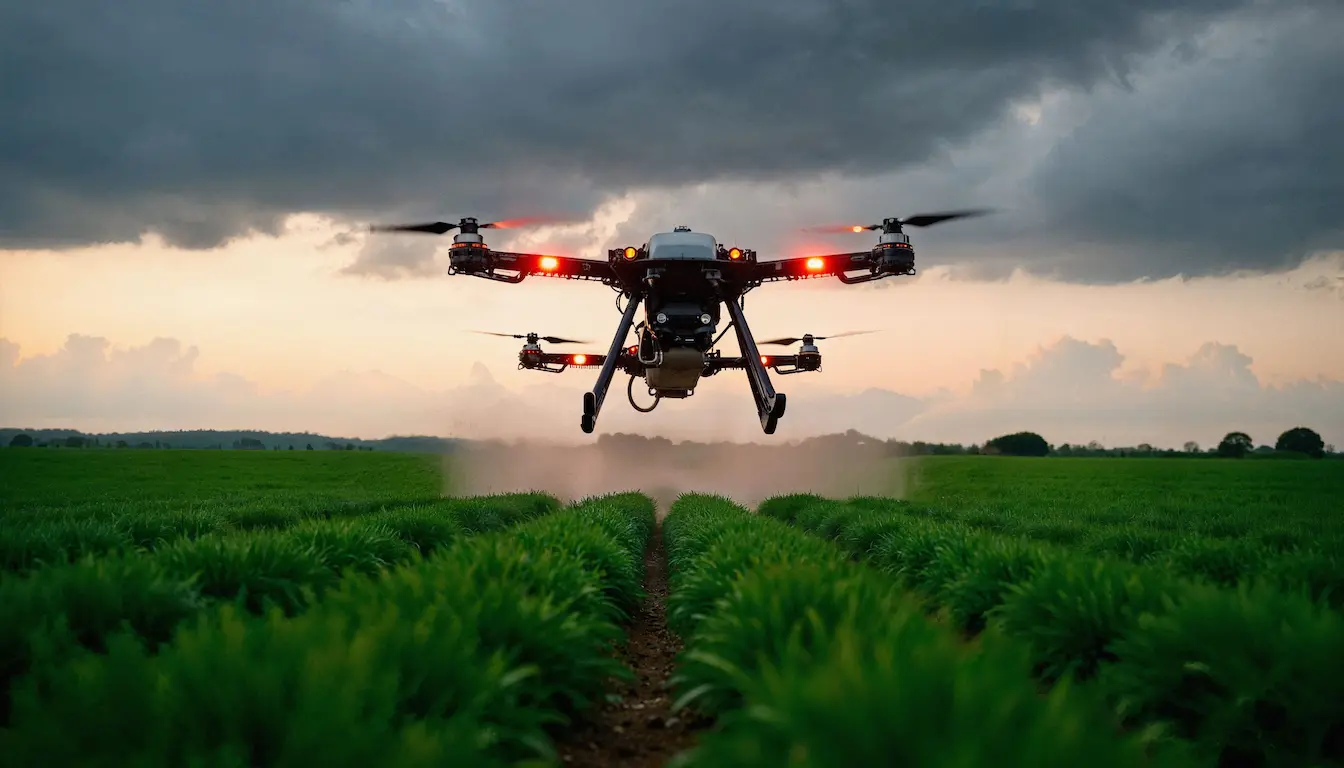
Embedded AI is transforming agriculture through soil monitoring, smart irrigation, and crop analysis.
AI-enabled edge devices process sensor data locally and automate actions.
Example: A smart irrigation system can analyze moisture levels, trigger irrigation automatically, and reduce water waste.
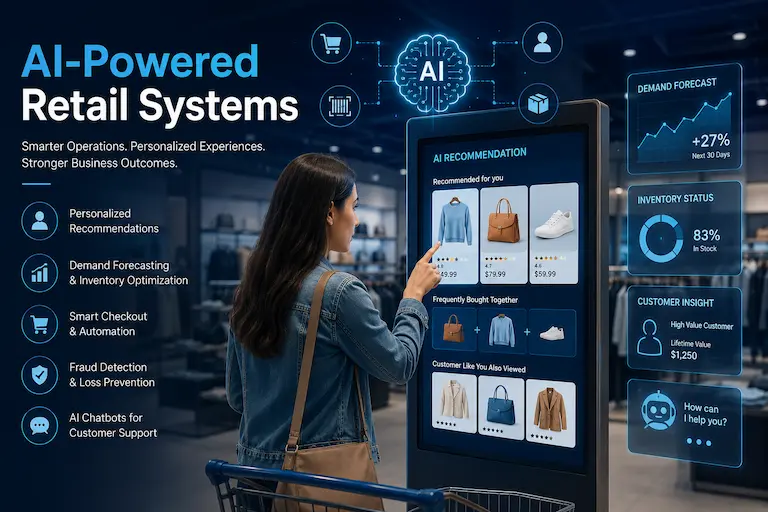
6. AI-Powered Retail Systems
Retail businesses are using embedded AI for:
- Customer behavior analysis
- Automated checkout systems
- Inventory intelligence
These systems improve operational efficiency, customer insights, and loss prevention.
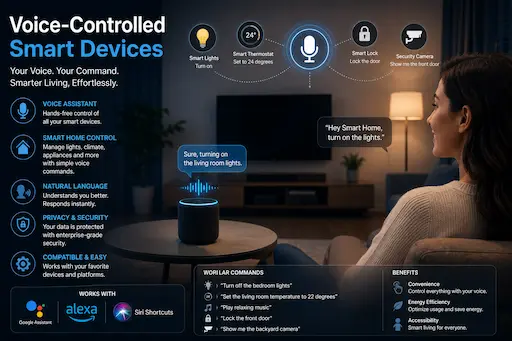
7. Voice-Controlled Smart Devices
Embedded AI enables offline voice assistants and voice-controlled systems.
Applications include smart home automation, industrial control systems, and automotive interfaces.
Because processing happens locally: response is faster, privacy improves, and internet dependency reduces.

8. Smart Healthcare Devices
Healthcare devices increasingly use embedded AI for patient monitoring, real-time alerts, and health data analysis.
Examples include wearables, portable diagnostic devices, and smart monitoring systems.
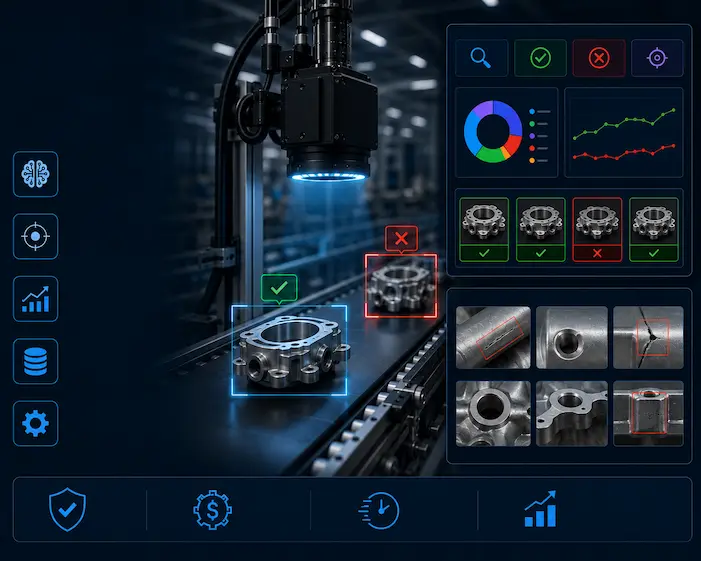
9. AI-Based Quality Inspection
Manufacturing systems use embedded AI for defect detection, product inspection, and assembly verification.
Instead of manual inspection, AI systems detect issues automatically in real time.
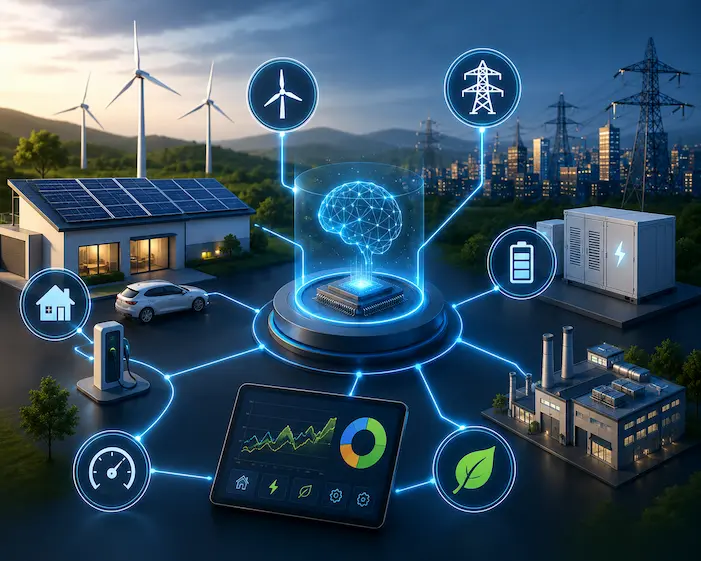
10. Intelligent Energy Management
Embedded AI helps optimize power consumption, grid monitoring, and energy distribution.
This is especially valuable in smart buildings, industrial facilities, and renewable energy systems.
Why Companies are Adopting Embedded AI
From startups to global enterprises, organizations are shifting intelligence to the edge.
Lower Latency
Decisions happen instantly — no round trips to the cloud. Critical actions take milliseconds, not seconds.
Reduced Cloud Costs
Less dependency on continuous cloud processing. Pay only for what truly needs centralized intelligence.
Offline Capability
Systems continue working without internet. Perfect for remote locations, moving vehicles, or intermittent connectivity.
Better Scalability
Distributed intelligence across devices. Add more endpoints without overwhelming central servers.
Challenges of Embedded AI Systems
Despite its advantages, embedded AI introduces engineering hurdles that require careful planning.
Limited hardware resources
Memory, compute, and power constraints demand efficient model design and optimization.
Model optimization requirements
Quantization, pruning, and distillation are essential to fit AI into edge devices.
Integration complexity
Combining hardware, firmware, and AI models into a reliable system is non‑trivial.
Long-term maintenance
Updating models, monitoring performance, and ensuring security over years of operation.
This is why many companies partner with experienced embedded AI teams.
👉 Explore our Embedded AI Development Services →Embedded AI Hardware Platforms
Choose the right hardware for your edge intelligence needs
ESP32
Ultra‑low power Wi-Fi + Bluetooth MCU
- TinyML
- Sensor intelligence
- Low-power applications
Raspberry Pi
Versatile single‑board computer
- Edge computing
- Computer vision
- Robotics
NVIDIA Jetson
High‑performance edge AI platform
- High‑performance AI
- Advanced robotics
- Real‑time vision systems
How DigitalMonk Can Help
At DigitalMonk, we build embedded AI systems for:
Smart devices
AI-powered consumer and industrial devices
Industrial automation
Real-time control and predictive maintenance
IoT platforms
Scalable edge-to-cloud intelligence
Edge intelligence applications
Custom AI models for resource-constrained devices
✨ We help businesses ✨
Choose the right hardware
ESP32, Raspberry Pi, Jetson, and more
Optimize AI models
Quantization, pruning, TinyML
Deploy scalable embedded systems
From prototype to production
FAQs
What are real-world applications of embedded AI?
Why is embedded AI important in automation?
Which devices are used for embedded AI?
Can embedded AI work offline?
Conclusion
Embedded AI is transforming how smart devices and automation systems operate.
By moving intelligence directly onto devices, businesses can build systems that are:
As industries continue adopting IoT and automation, embedded AI will become a critical competitive advantage. See our embedded AI development services for how we build these systems.