What Personalization Really Means for Vending Machines
Vending has moved far beyond "insert coin, get product." Today's deployed machines can carry a brand identity, surface relevant products to each context, reward loyal customers, and adjust pricing to match real conditions. This post explains what vending machine personalization actually means in practice, what has been proven in deployment, and what operators should understand before specifying a machine or a software rebuild.



Why Personalization Matters in Vending
A generic vending machine is a utility. It fulfills a transaction and leaves no impression. Customers use it because it is convenient, not because they have a reason to return to that machine specifically. The machine's performance is entirely determined by location and product selection — the software contributes nothing to the outcome.
A personalized vending machine is something different. The interface reflects the brand the customer already trusts. Products are presented in a way that fits the context — the right items, in the right order, for the specific audience at that location. The purchasing experience feels deliberate rather than incidental. And when the machine rewards customers for returning, it builds a habit that a generic box never could.
These are not abstract improvements. Personalization drives measurable outcomes across three dimensions: engagement (customers interact with the interface rather than rushing through the fastest possible transaction), conversion (the gap between approaching the machine and completing a purchase narrows significantly), and repeat purchase (customers who associate positive brand experiences with a machine return more often and spend more).
The shift matters most for operators who position their machine as part of a brand experience — a beauty studio, a gym, a branded retail concept, a company office with its own identity. For these operators, a generic machine is a missed opportunity. A personalized vending machine becomes a retail touchpoint that represents the brand consistently, around the clock.
UI and Brand Personalization: What It Looks Like in Practice
The most visible and immediate form of vending machine personalization is the interface itself. The screen is the brand surface — and in a custom-built vending UI, every element is intentional. Your logo, your color palette, your product photography, the way items are organized, the copy on the confirmation screen — all of it is designed for your specific context rather than inherited from a manufacturer template.
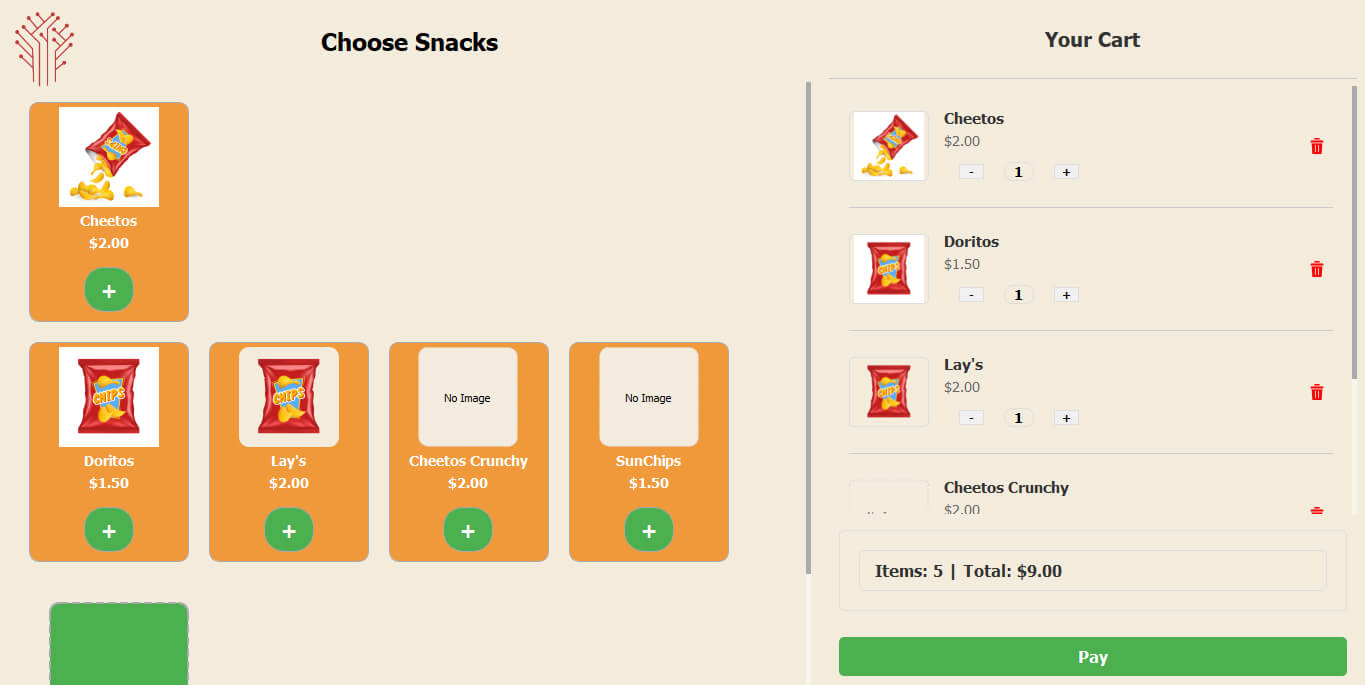
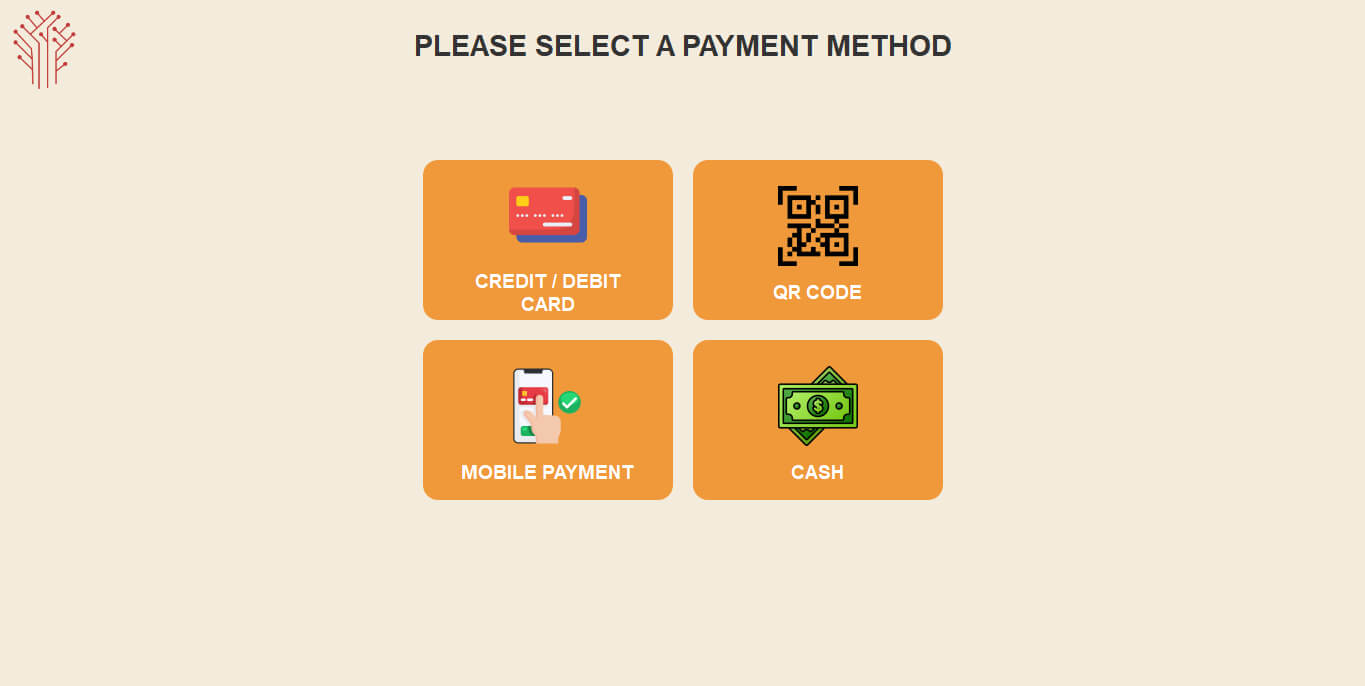
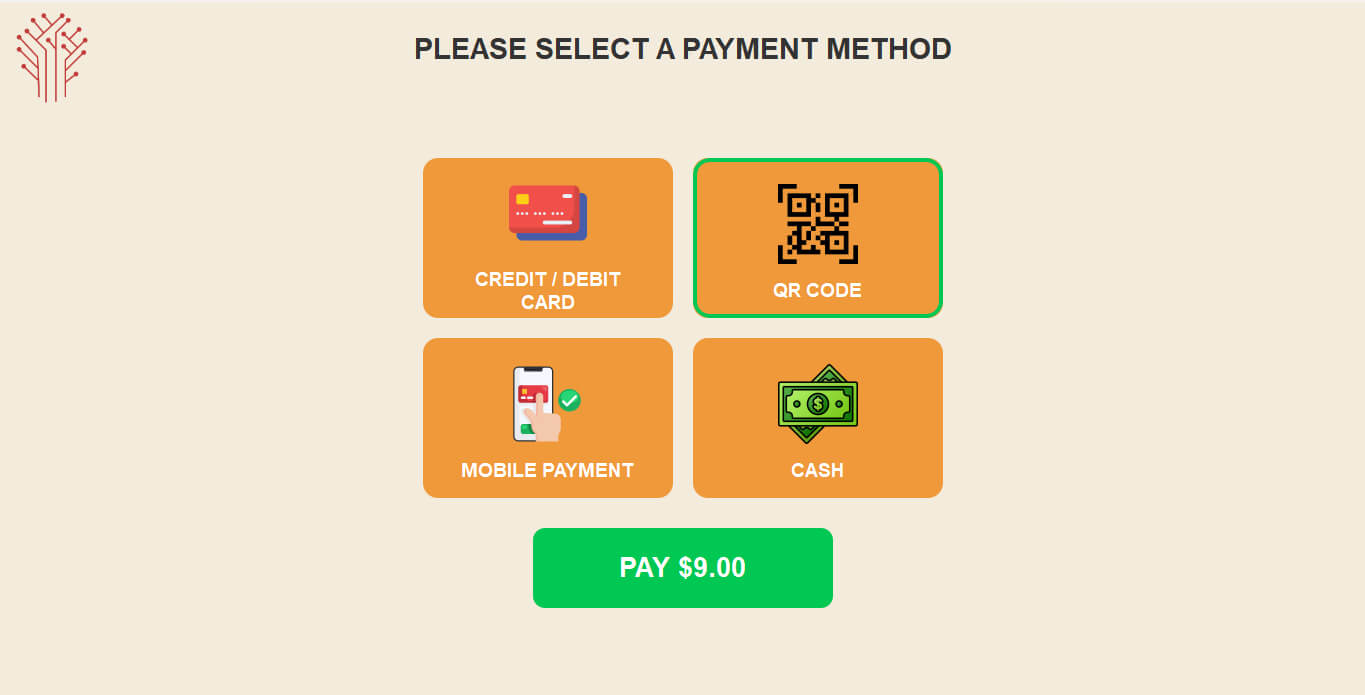
Two live deployments illustrate how brand personalization works in practice. Lavish Dollz Beauty Studio operates a machine where the interface was built to match the studio's premium beauty aesthetic — the kind of experience that would not look out of place in a high-end retail environment. Nothing about the screen looks like a standard vending machine.
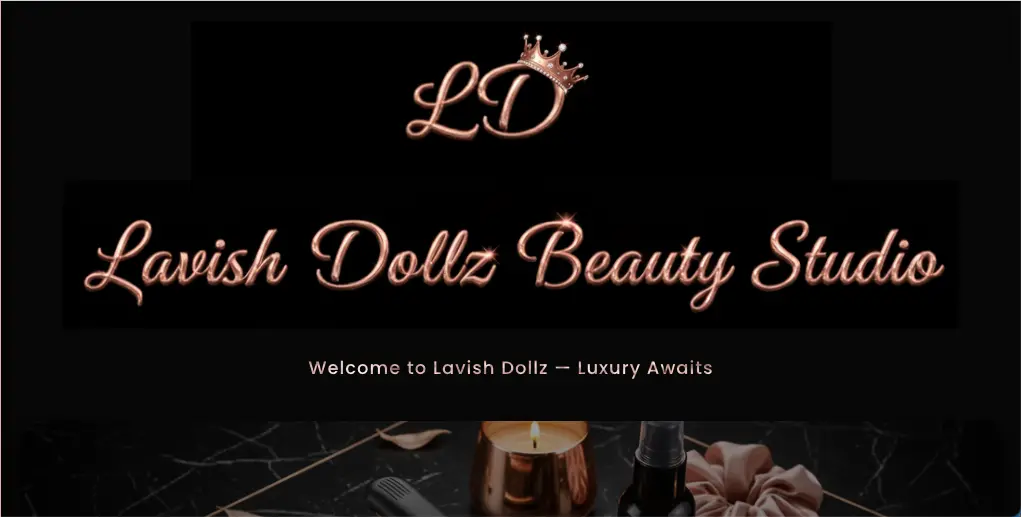
Lavish Dollz Beauty Studio
Premium beauty product vending with a fully branded UI built to the studio's aesthetic. The interface, payment flow, and confirmation screen all carry the brand identity from first tap to dispense.
Read the beauty vending machine case study →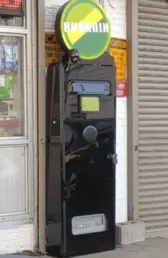
Budkoin
A branded interactive display built for the Budkoin concept — custom UI, branded interaction flow, and a visual identity that is recognizably Budkoin at every step in the purchase journey.
Read the Budkoin vending case study →A well-designed, brand-matched interface reduces cognitive friction at the point of purchase. Customers recognize the context, trust the source, and convert more readily. This is the most directly proven form of vending machine personalization — and the one with the clearest evidence.
Product Recommendations: Relevant Items at the Right Moment
A vending machine that displays every product in a fixed grid is leaving revenue on the table. The items most likely to be purchased by a specific customer, at a specific time of day, in a specific location, are not evenly distributed across the catalog. A recommendation layer surfaces the right products first — and it measurably increases the probability that a customer finds and selects something they want.
DigitalMonk builds recommendation logic into vending machine software using two primary signals. The first is purchase history at the location — items that sell well in a given context appear more prominently, and slow movers are deprioritized or repositioned. The second is time of day — a machine in an office might surface coffee and light breakfast items in the morning and shift to snacks and cold drinks in the afternoon without any manual intervention.
For machines with session tracking via QR code or app login, a third signal becomes available: individual purchase history. A customer who has bought the same item three times can see it shown first. A customer who consistently pairs a snack with a drink can be prompted at the right moment in the flow. These are not surveillance features — they are the same mechanics any physical shop or online cart uses, applied to vending. The difference is that most machines never implement them.
Loyalty and Rewards: Turning One-Time Buyers into Regulars
Loyalty programs work in vending for the same reason they work in coffee shops: the machine is in a fixed location, customers pass it repeatedly, and a modest incentive to return consistently outperforms any one-time promotion. The challenge has always been implementation — a legacy machine with no software layer cannot track who bought what. A custom-built vending software platform can.
The mechanics DigitalMonk implements include points per purchase (accrued per transaction and displayed on the machine's screen), reward thresholds (a free item or discount after a defined spend or visit count), and redemption through QR code, mobile app, or a linked loyalty card. The system ties the vending machine into a repeat-purchase loop that was previously only achievable for businesses with a dedicated POS platform.
Loyalty data feeds directly into the operator dashboard — you can see returning customer rates, purchase frequency, and which rewards are actually driving repeat visits versus which are being ignored. This is operationally useful data well beyond knowing how many units were sold. Loyalty programs are a real, implemented capability in the machines DigitalMonk deploys — not a concept in development.
Demand-, Time-, and Stock-Based Pricing
Most vending machines have one price per item, set manually and changed infrequently. A software-driven machine can do better: pricing can adjust automatically based on conditions the operator defines, without any per-update manual intervention.
DigitalMonk implements pricing engines that respond to three primary levers:
- Time-based pricing — reduced prices during defined off-peak windows (a "happy hour" slot, a slow afternoon period) to drive traffic when it would otherwise not occur. The price reverts automatically when the window ends.
- Demand-based pricing — if a particular item is selling faster than its restock cycle can support, the price can adjust slightly to extend availability. This is most relevant for high-demand products in a captive or limited-access location.
- Stock-based pricing — items approaching expiry or overstocked relative to their typical velocity can be discounted automatically. This reduces waste and improves sell-through without requiring the operator to manually run a promotion.
An important distinction: this is condition-based pricing, not per-person price discrimination. The price shown on the screen is the same for every customer at that moment. When a price drops during a happy-hour window, every customer benefits — it is a genuine offer, displayed transparently. Transparent, rule-driven pricing is how we recommend operators approach dynamic pricing, and it is how DigitalMonk's pricing engine is designed.
How Personalization Adapts to the Setting
Vending machine personalization is not one-size-fits-all. The mechanics are the same — branded UI, relevant product ordering, loyalty, pricing — but what those mechanics look like in practice depends entirely on who the customers are and what the operator needs to communicate. Three contexts illustrate how personalization translates to each setting:
Beauty and Premium Retail
This is the context where brand alignment matters most. A premium beauty studio's vending machine needs to look and feel like the studio — not like a convenience machine that happens to stock skincare. The Lavish Dollz deployment is the clearest illustration available: the interface was built from scratch to reflect the studio's aesthetic, product presentation, and customer expectations. When personalization is this well-aligned, the machine becomes an extension of the brand experience — not a compromise at the point of sale.
Fitness and Gym Environments
Gyms are a high-value setting for vending personalization because the customer base is consistent (members), the context is specific (pre- and post-workout nutrition), and the purchase intent is predictable. A gym vending machine organized for the fitness context — protein bars, supplements, hydration, pre-workout products — branded to the gym and available 24/7 when the counter is closed, serves members in a way a generic machine cannot. DigitalMonk builds vending machines for gyms with context-aware software and product organization designed for that environment.
Office and Workplace
Office vending has a captive and regular audience. Personalization here means knowing what the team actually wants (rather than guessing from a generic catalog), making cashless payment effortless, and optionally integrating the machine into an employee benefits or corporate spending system. A smart vending machine for the office that carries the company's branding also signals to employees that the amenity was chosen deliberately — not dropped in as an afterthought.
DigitalMonk's Approach to Personalized Vending
DigitalMonk builds vending machine software on top of existing physical hardware. Machines from manufacturers like TCN, Chuangyi, and FocusVend run Android-based controllers — we replace the default software with a personalized stack built around each operator's brand, product catalog, and specific requirements. This post focuses on the personalization layer specifically. For a complete picture of how customizable vending machines are architected — hardware, embedded systems, payment rails, and cloud backend — see our broader guide to customizable vending machines.
Operators do not need to buy new hardware. The machine that already exists — or the new machine being specified — gets software built around the brand, the product catalog, and the specific personalization features the operator needs: recommendations, loyalty, dynamic pricing, or all three. Every element of the purchase journey, from the product grid to the confirmation screen, is shaped by personalization decisions — not default manufacturer settings.
Across 50+ machine deployments, we maintain a 4.9-star Google rating and have seen a 3× average conversion lift against generic baseline interfaces. The gap between a generic manufacturer UI and a well-designed, brand-matched interface is not subtle — customers notice, and the transaction data reflects it.
If you are evaluating what personalized vending machines could mean for your operation — whether that is a single-location retail concept or a multi-site deployment — the starting point is a conversation about your brand, your customer, and the outcomes you want the machine to drive.
Frequently Asked Questions
- Vending machine personalization means adapting the machine's software — the interface, product display, pricing, and offers — to the specific brand, customer base, and context it operates in. A personalized machine might display your company's logo and colors, surface popular products first for that location, offer a loyalty reward on a customer's third purchase, or reduce prices during low-traffic hours to move slow stock. It is the difference between a generic box that takes coins and a branded retail touchpoint that represents your business.
- Yes — if the machine runs an Android-based controller (TCN, Chuangyi, FocusVend, and several other manufacturers do), the software layer can be replaced with a fully custom interface without touching the physical hardware. DigitalMonk rebuilds the UI, payment logic, and cloud dashboard on top of existing machine hardware, so you get a branded, personalized experience without buying new machines. The machine keeps dispensing; the software running it becomes completely yours.
- The evidence from our deployments points clearly to yes. Machines with branded, purpose-built UIs that match the context — a beauty studio selling skincare, a gym selling supplements — convert at meaningfully higher rates than generic interfaces dropped into the same environment. Our deployments have produced a 3× average conversion lift compared to baseline generic machines. The exact gain depends on how well the interface, product selection, and offers align with the specific customer. Personalization compounds across engagement, trust, and repeat purchase.
- Yes. DigitalMonk builds loyalty mechanics directly into the vending machine software — points per purchase, reward thresholds, QR code or app-based redemption, and card-linked rewards. The loyalty data feeds into the same dashboard as your sales and inventory data, so you can see which customers are returning and which rewards are driving repeat visits. Loyalty is a real, implemented capability in the machines we deploy — not a roadmap item.
- Dynamic pricing in vending means the machine adjusts what it charges based on conditions you define — typically demand level, time of day, or current stock. A common use case is a reduced rate during off-peak hours, or a small discount on items that are overstocked and approaching expiry. This is condition-based pricing, not per-person price discrimination — the price shown is the price for anyone at that moment. DigitalMonk implements this as a configurable pricing engine in the vending software.
- Completely. The interface DigitalMonk builds is designed from scratch to your brand — your logo, color palette, typography, product photography, and tone. It is not a generic template with a logo swapped in. Lavish Dollz Beauty Studio and Budkoin are two live examples where the interface was built around the specific brand identity: Lavish Dollz has a premium beauty aesthetic, Budkoin has a branded interactive display. Your machine can look the same way — and nothing about the screen needs to look like a standard vending machine.
Want a Vending Experience Built Around Your Brand and Customers?
DigitalMonk builds fully branded, personalized vending machine software on existing hardware — custom UI, cashless payments, loyalty programs, dynamic pricing, and a real-time operator dashboard.
Explore Personalized Vending Machines →