BLE Mobile App Development
From Sensor to Screen — Firmware and App Under One Roof
Most app shops treat Bluetooth Low Energy as just another SDK. DigitalMonk is a BLE mobile app development company that builds both sides of the link — the firmware on the device and the app on the phone. When the GATT service misbehaves, we don't open a ticket with someone else's firmware team. We fix it ourselves.
Six shipped BLE products. A live app on the App Store. PCB to phone, under one roof.

Firmware + App, One Team
We write the BLE firmware on the device and the mobile app on the phone — so nobody is guessing what the other side is doing.
NDA-First, Always
Every engagement starts with a signed NDA. Your hardware designs, protocols, and product ideas stay yours.
Live on the App Store
We have our own shipped BLE app live on the App Store — not just client work, proven capability.
6+ Shipped BLE Products
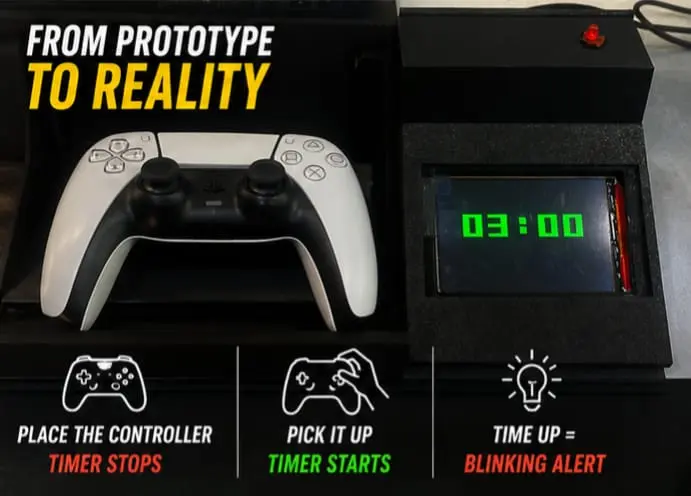
Medical sensors, sports wearables, IoT monitors, retail displays — real products, in the field, built by our team.
The Problem This Page Exists to Solve
Two kinds of teams land here, and both are stuck in the same gap.
Hardware teams who have a working BLE device — a sensor, a wearable, a controller — but need a polished mobile app to go with it. They've tried app-only shops who don't understand GATT services, connection state machines, or why MTU size matters. The app vendor files bug reports against the firmware; the firmware team says the app is reading the characteristic wrong. Nobody owns the whole problem.
Product owners who have an idea for a connected product and need BLE firmware and app development under one roof — not a firmware vendor and an app vendor who blame each other when something breaks at the Bluetooth boundary.
DigitalMonk sits in the middle of that gap. We build embedded firmware and mobile apps under one roof, which means one team owns the entire data path from sensor to screen. When a BLE characteristic isn't notifying correctly, we don't point fingers — we open the firmware source, check the GATT table, fix the issue, and push an update to both the device and the app.
We Build Both Sides of the Bluetooth Link
This is the difference between hiring a BLE app developer and hiring a team that ships BLE products. Here's what that looks like in practice:
App-only shop
- Waits for the firmware team to expose BLE services
- Files bug reports when data doesn't arrive as expected
- Can't debug what's happening on the device side
- Treats BLE as "just another API"
- Tests against simulators, not real hardware
DigitalMonk
- Writes the firmware and the app — same team, same codebase owner
- Debugs the GATT service with a logic analyser when needed
- Adjusts MTU, connection interval, and PHY at both ends
- Tests against real devices on the bench, not BLE simulators
- Ships the whole product, not half of it
This isn't a philosophical difference — it's a practical one. Whether it's ESP32 BLE app development or nRF52 BLE app development, the debugging pattern is the same: when the ECG waveform drops samples on Android but not iOS, the fix might be in the app's read buffer, or it might be in the firmware's notification interval. If two different vendors own those two sides, the debugging conversation alone takes longer than the fix. When one team owns both, the turnaround is hours, not weeks.
What We Build
Every capability listed here has been shipped in a real product. The proof links to the case study.
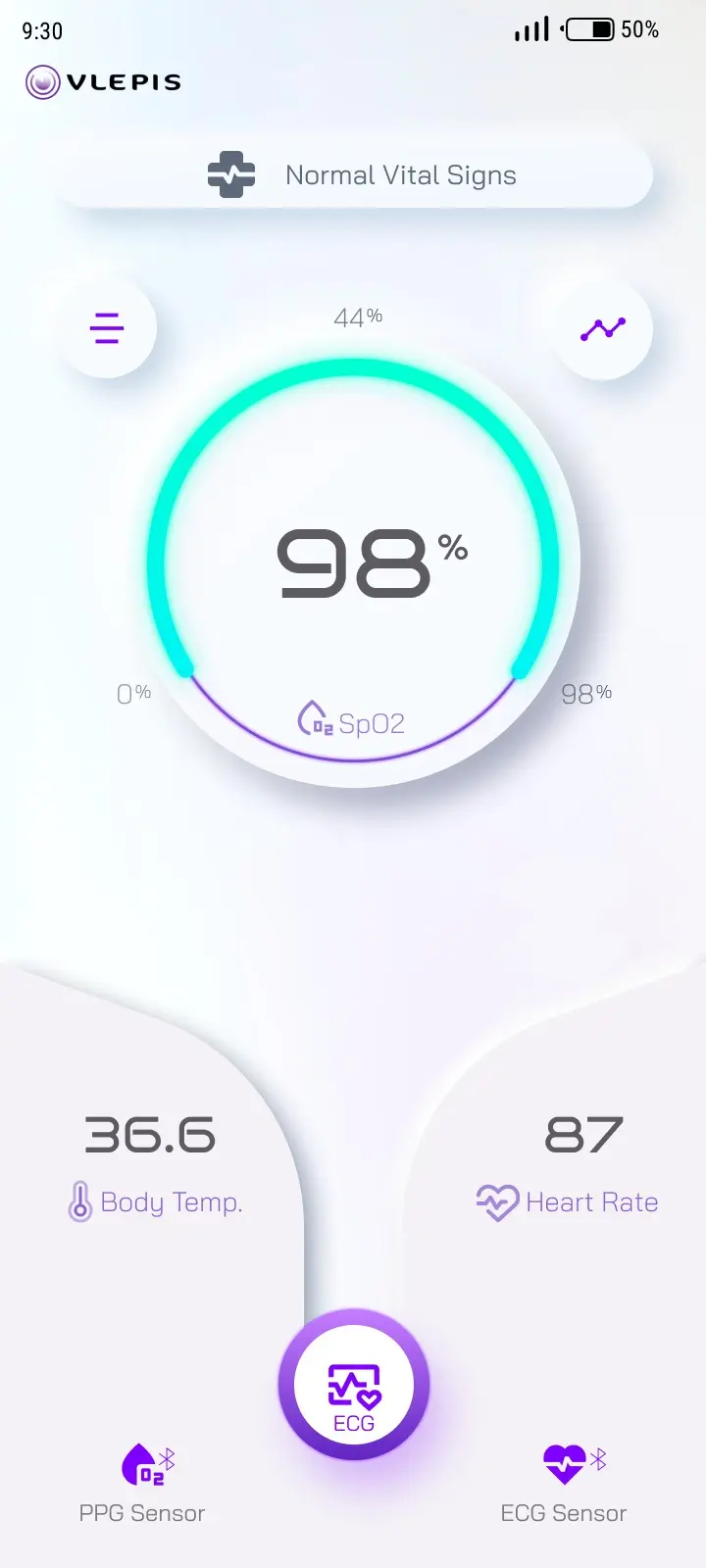
Shipped in Vlepis
Shipped in Vlepis, Irrigation Monitor
Shipped as standalone product
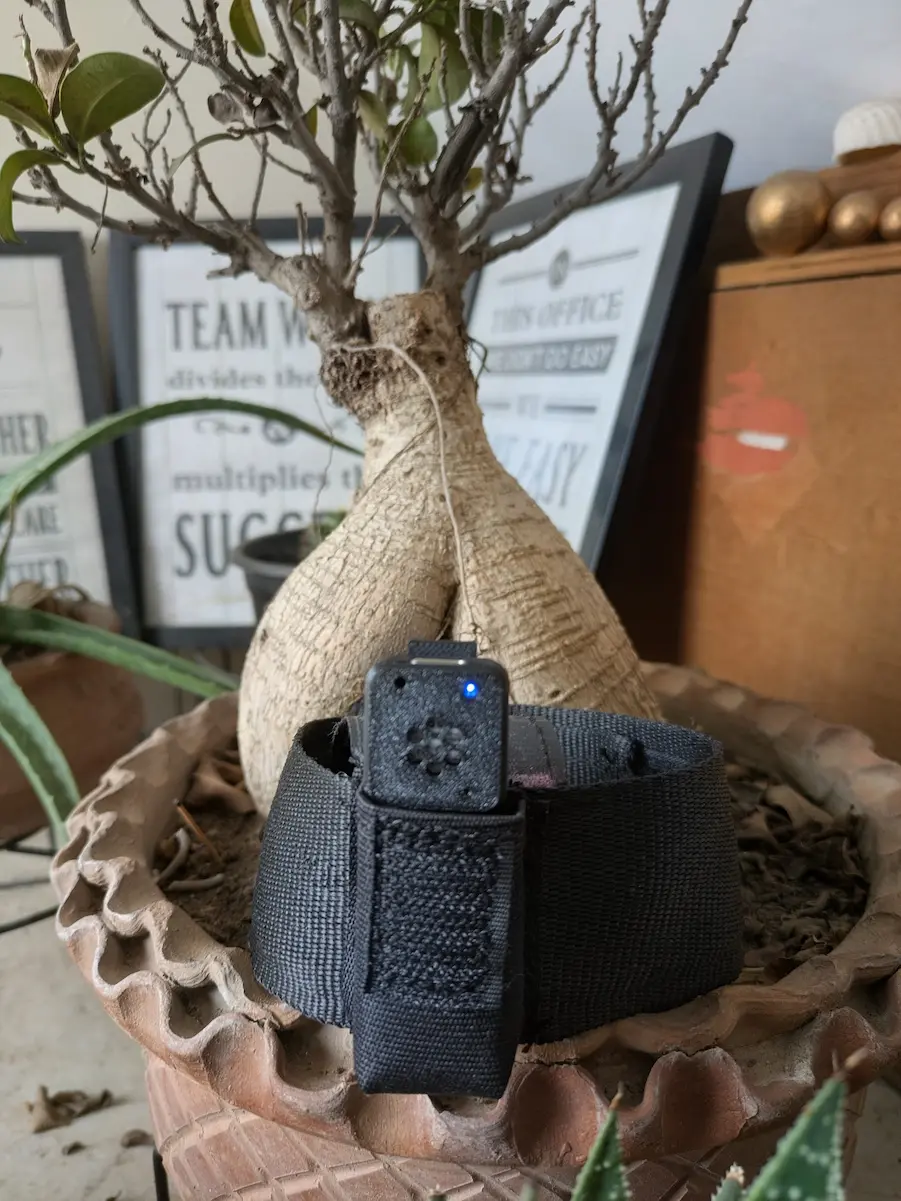
Shipped in Equine Wearable, Dribble Tracker
Shipped across multiple projects
Shipped in Smart Golf Ball, Equine Wearable
Shipped in Vlepis
Shipped in Vlepis
BLE App Use Cases We Handle
BLE connects phones to the physical world. Here's where we've built that connection — and where it applies to your product.
Shipped BLE Projects
Real products, in the field, built end to end by our team.

What Clients Say
Real reviews from real projects — from Upwork, Google, and direct engagements.
Custom Software Project
We worked with DigitalMonk on a custom software project and were thoroughly impressed. The quality of the deliverables was consistently high, with clean code and solid architecture. Everything was delivered on time, and communication was clear and responsive throughout. Their team was professional, flexible to our needs, and often went the extra mile to suggest improvements. Pricing was competitive, with no surprises. Overall, a reliable and skilled partner — highly recommended.
Embedded Firmware Development
DigitalMonk handled embedded firmware development on an ARM-based platform with a very structured approach. Their team delivered stable, well-tested code and maintained clear communication throughout.
Custom Embedded Software for Industrial Controller
DigitalMonk delivered custom embedded software for an industrial controller, including communication protocols and fault handling. Process-driven, transparent, and reliable.
Industries We Serve
We only list industries where we have a shipped project to point to.
Tech Stack
We pick the right tool for the job — not a one-size-fits-all framework. The stack varies by project, but here's what we work with most often:
How We Work
Live on the App Store
We don't just build BLE apps for clients — we have our own shipped product live on the App Store. That's not a claim of capability; it's proof of it. The app connects to BLE hardware, streams real-time data, and has real users.
Why DigitalMonk for BLE App Development
A BLE mobile app is only as good as the connection it sits on top of. If the team building the app doesn't understand the firmware, the protocol, and the hardware constraints, the app will work in the lab and fail in the field. We've shipped enough BLE products to know where those failures hide — and we build both sides to prevent them.
If you're looking to hire a BLE app developer, the question isn't just "can they write Bluetooth code" — it's whether they can debug both ends of the link. The teams that struggle most with Bluetooth Low Energy app development are the ones that split the work between a firmware vendor and an app vendor. The handoff at the Bluetooth boundary is where things break — mismatched data formats, unexpected disconnection behaviour, notification timing that works on one phone and not another. Having one team that owns both sides eliminates that entire class of problems.
This work sits within our broader electronics and embedded software development practice and complements our general mobile app development services. For the full product development path — PCB, firmware, enclosure, and app — see our end-to-end embedded product development page. For BLE-specific WiFi provisioning flows, see our BLE WiFi setup app. For the technical side of GATT profile design, read our guide to custom GATT services on Nordic platforms. If your project involves sports hardware or wearables, see our sports tech product development work. For ESP32-based BLE provisioning, see our ESP32 BLE provisioning deep-dive.
Frequently Asked Questions About BLE App Development
Common questions from founders, CTOs, and hardware teams evaluating BLE app development partners.
BLE mobile app development is the process of building iOS or Android apps that communicate with hardware devices over Bluetooth Low Energy. This includes pairing, real-time data streaming, sensor reading, device control, OTA firmware updates, and session history — all through a phone app that talks to the device wirelessly.
Because the Bluetooth boundary between device and phone is where most BLE projects break. When two vendors own each side, debugging a data mismatch or connection drop means opening tickets across teams. One team that owns both sides can trace the problem from GATT characteristic to screen rendering in a single debug session — and fix it in hours, not weeks.
We work with React Native, Flutter, native iOS (Swift), and native Android (Kotlin). The framework choice depends on the project — cross-platform apps typically use React Native or Flutter with libraries like react-native-ble-plx or flutter_blue_plus, while performance-critical or platform-specific BLE work uses native development with CoreBluetooth or Android BLE API.
We build firmware for ESP32, nRF52, STM32, Raspberry Pi, and Arduino-based BLE devices. We also work with existing devices where the firmware is already built — we reverse-engineer the BLE protocol from advertising data and GATT services to build a compatible companion app.
Yes. If you have a working BLE device and need a companion app, we start by analysing the device's BLE advertising, GATT services, and characteristics. We build the app to connect, read, write, and subscribe to the device — no changes to your firmware needed unless we find issues that require fixes on the device side.
A companion app for an existing BLE device with known services typically takes 6–10 weeks. A full-stack project where we build both the firmware and the app takes 10–16 weeks depending on complexity. Projects involving multiple sensors, real-time waveforms, or regulatory requirements may take longer.
Yes. We handle the full submission process — App Store review guidelines, Play Store policies, provisioning profiles, app signing, screenshots, and metadata. We also have our own BLE app live on the App Store, so we know the review process from experience, not just documentation.
Healthcare and medical devices, sports tech and wearables, agriculture and industrial IoT, retail and smart products, EV and micromobility, and smart home — but only industries where we have a shipped project to point to. We don't claim expertise we haven't proven.
Have a BLE Product That Needs an App?
Whether you have working hardware that needs a companion app, or an idea that needs the full stack — firmware, app, and everything in between — we can help.