Sports Tech Product Development,
Built to Play
Motion sensors, coin-cell batteries, and enclosures that have to survive contact — sports hardware breaks the rules that work for a desk gadget. We've built devices that live inside a basketball, a golf ball, and on an athlete's wrist.
Accuracy tested by hand. Battery life measured in months. Form factor that disappears into the sport.
Motion, Power, and Fit — Built as One Product
Sports tech has different constraints than most connected devices. The sensor has to be accurate enough to trust on the field. The battery has to last a full season of play without interrupting the game to swap it. And the enclosure has to be small and light enough that the athlete forgets it's there.
We've built to all three constraints at once — a PCB small enough to fit inside a basketball, a golf ball firmware stack that runs 9–12 months on a coin cell, and a wearable rugged enough for a horse in motion. Below is how we approach it, proof from what we've shipped, and a message from the team on why these three things matter together.
I try to focus on controlling what I can control — the way I set up my starts, the way I turn, the way I finish races. Everything in between is a bonus.”
Why Sports Hardware Is Hard
Three things have to be right together — get one wrong and the whole product fails on the field, no matter how good the other two are.
Accuracy
Sensor readings only mean something if they've been physically tested, hands-on, until the numbers hold up under real play — not just validated in simulation.
Battery Life
A device that needs charging mid-game has already failed. We design for power conservation from the first firmware decision, not as an afterthought bolted on later.
Form Factor
The product has to disappear into the sport, not get in the athlete's way. Size and weight are engineering constraints from day one, not something adjusted after the fact.
Why We Hold Ourselves to This Bar

"Sports tech has to earn trust in three ways. First, accuracy — sensor readings only mean something if the team has physically tested them, hands-on, until the numbers hold up under real play. Second, battery life — a device that needs charging mid-game has already failed, so we design for power conservation from the first firmware decision, not as an afterthought. Third, form factor — the product has to disappear into the sport, not get in the athlete's way. Get all three right together, and you have a sports product people actually trust on the field. That's the bar we hold ourselves to."
Sports Tech We've Shipped
From a basketball to a golf ball to a wrist — each one built end-to-end, PCB to firmware to enclosure.
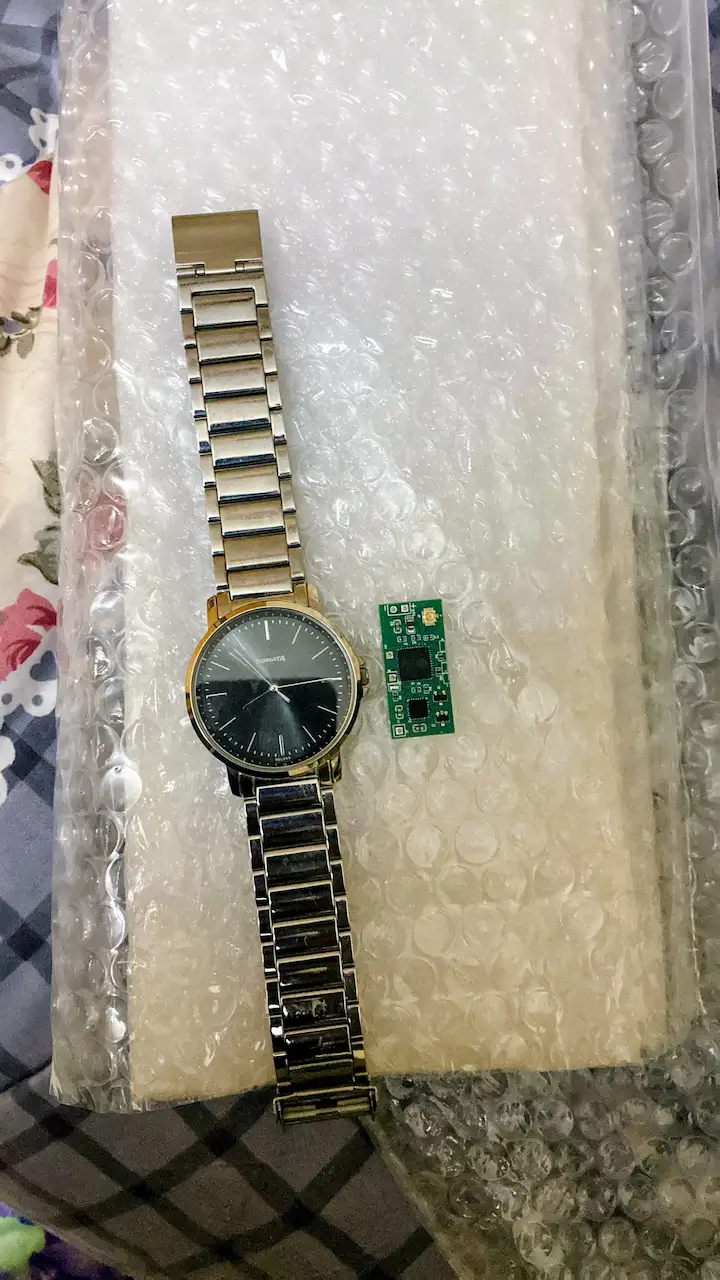
Basketball Dribble Tracker
A custom PCB small enough to live inside a basketball, tracking dribble, shot speed, and angle in real time.
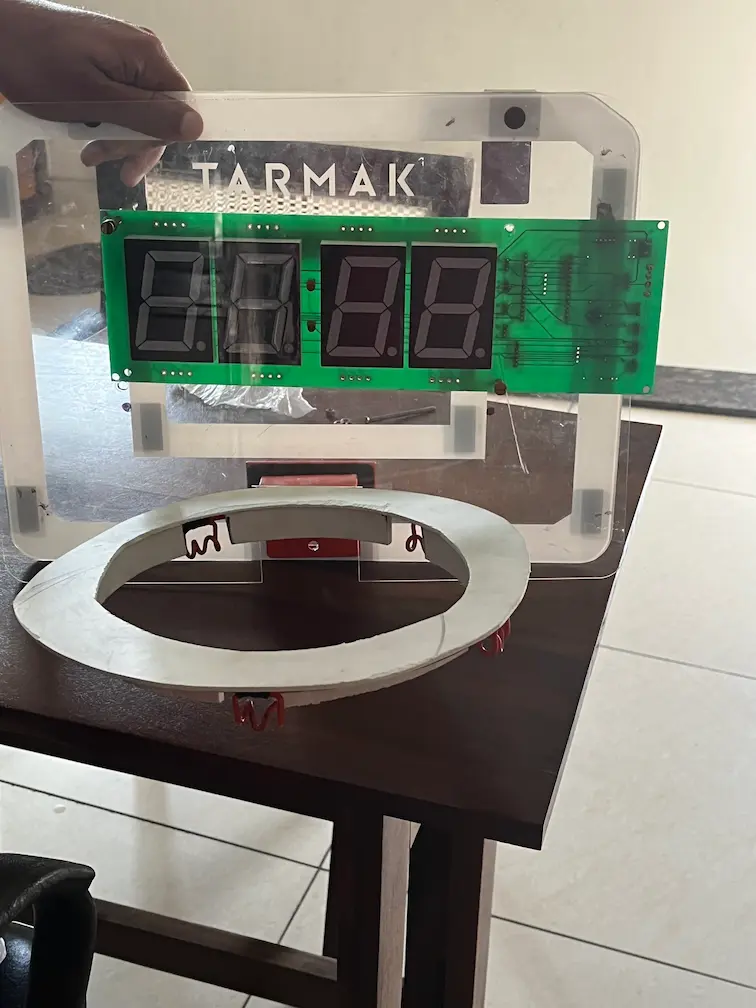
Basketball Hoop Alarm Clock
A hoop-mounted IR sensor stops the alarm only when a shot goes through. Custom PCB, ESP32 firmware and a BLE app.
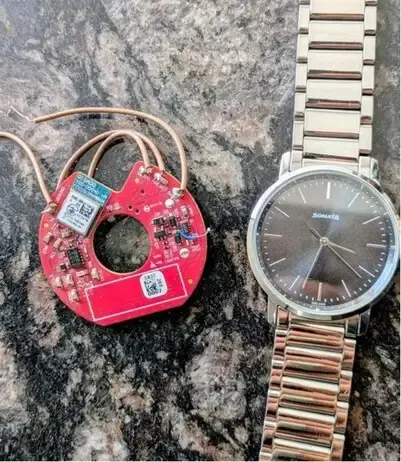
Smart Golf Ball Development
Embedded hardware, BLE firmware, and a mobile app packed into a golf ball under strict size and power limits.
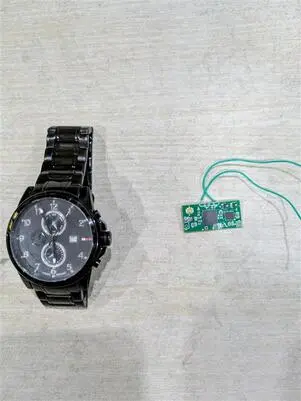
nRF Sports Performance Wearable
A coin-cell-powered nRF wearable that tracks sprint and jump performance over BLE with sleep-cycle power management.
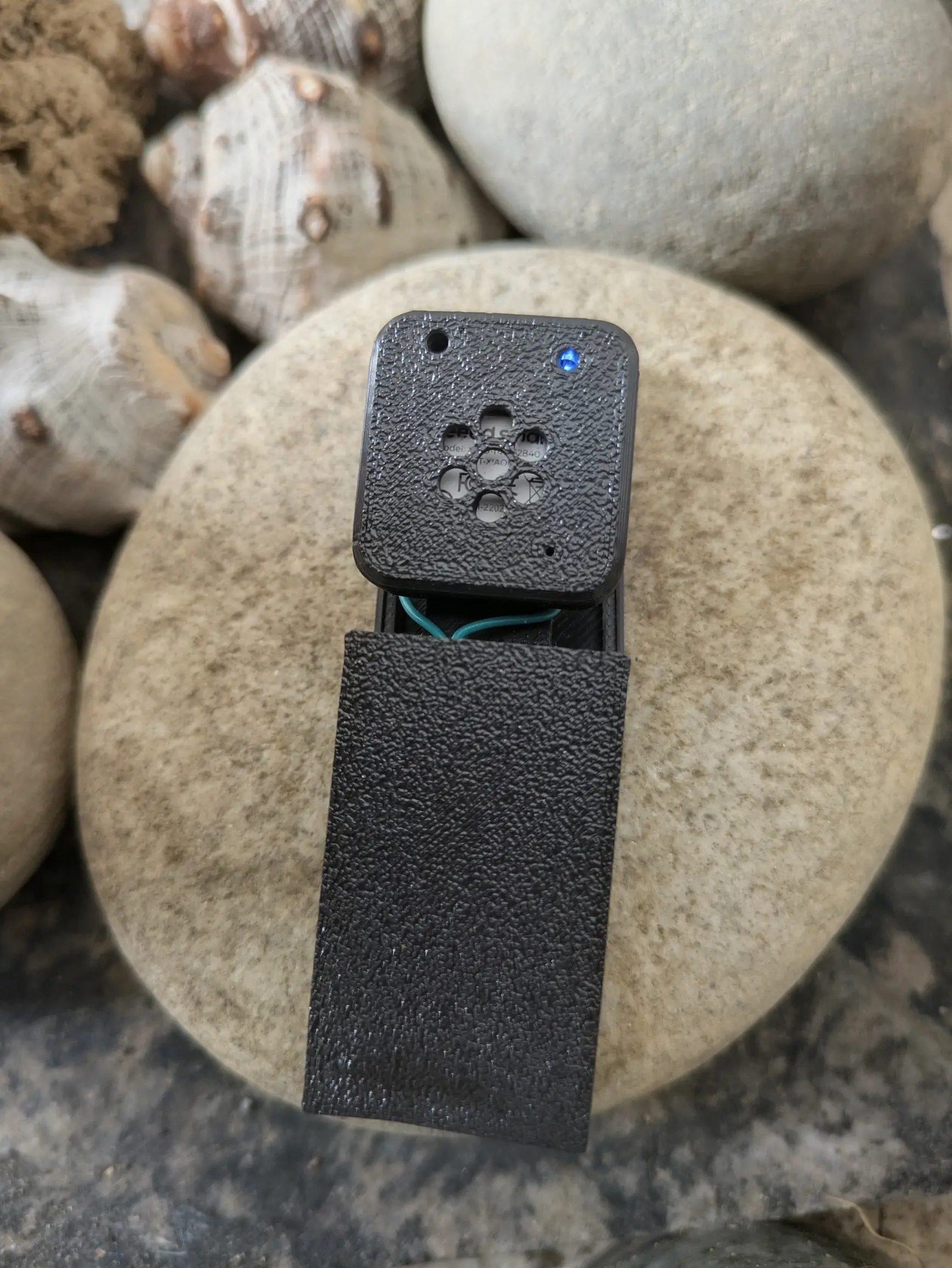
Equine Performance Wearable
A rugged wearable for horses that classifies gait on-device and reports standing, trot, and gallop time in real time.
Built For Sports & Performance Teams
This is for teams building a real product that goes on the field, court, or course — not a one-off hobby build.
Sports Equipment Brands
You make the ball, the bat, or the gear, and want to add real sensing to it — motion data, performance stats, or coaching feedback built into the product itself, not a separate accessory.
Wearable Sports Tech Startups
You have a concept for a wearable that tracks athletic performance and need it built end-to-end — sensor selection, firmware, a companion app, and an enclosure that survives actual play.
Performance & Coaching Platforms
You need hardware that feeds a coaching or analytics platform with clean, reliable motion data — for human athletes or animals — and firmware that keeps working through a full season, not just a demo.
Our Approach
Not aspirational — this is the setup every sports device of ours has actually gone through.
Hands-On Sensor Testing
Every sensor reading gets validated by the team physically, against real motion, before it ships — not just checked against a datasheet or a simulation.
Power-Conservation Firmware
Aggressive sleep-cycle design so the device only wakes the radio and sensors when there's something worth reporting, stretching coin-cell life to months, not days.
Form-Factor-First PCB Design
Boards laid out around the enclosure's real size and weight constraints from the start, not shrunk down after the fact to fit a case that was designed separately.
In-House Enclosure Iteration
Enclosures printed and iterated on our own floor, so a fit or durability issue gets fixed in days, not sent out to a third-party shop and waited on.
BLE & Mobile App Integration
Firmware and companion app built by the same team, so the data path from sensor to phone is designed as one system, not stitched together after both halves are done.
Technologies We Work With
Picked per project based on the sport's power budget, size constraints, and impact tolerance — not whatever's most familiar.
Motion Sensing & MCU Platforms
 Nordic nRF
 ESP32
ESP32Connectivity
 BLE
BLE WiFi
WiFi LoRa
LoRaPCB & Enclosure Design Tools
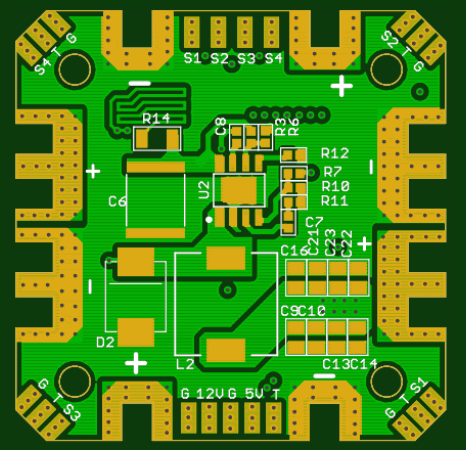 KiCad / Altium (PCB Design)
 SolidWorks (Enclosure Design)
IMU and motion sensor selection is made per project based on the sensitivity and sampling rate the sport actually requires — see the case studies above for how that played out for a basketball, a golf ball, and a wrist wearable.
What Clients Say


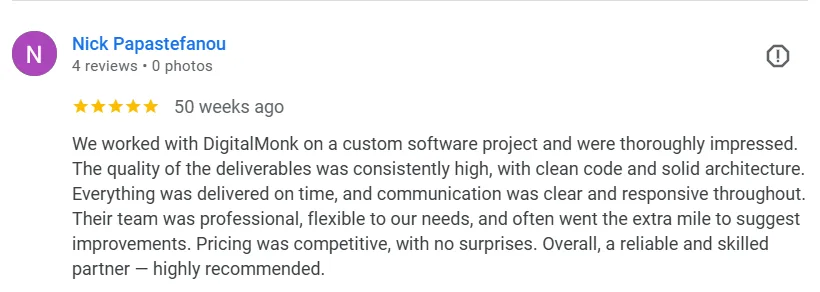
"Excellent prototype development with expert team, timely delivery, and innovative solutions."
What clients say on Google
Questions Before You Start
Got questions before starting your sports tech project? Here are the ones we hear most.
Yes — from a blank concept through a working, field-tested device. That means picking the right IMU or sensor combination, sizing the battery for the sport's actual play duration, and designing an enclosure that survives contact, sweat, and repeated impact, not just a bench test.
It depends on the sensor sampling rate and radio activity, but our shipped sports devices run from several months to close to a year on a coin cell, using aggressive sleep-cycle firmware that only wakes the radio and sensors when there's something worth reporting.
We test the physical device in the hands of the team, not just in simulation — repeated real-world reps against known reference motions, until the readings hold up consistently. If a motion pattern gets misclassified, we tune the detection logic against real capture data, not assumptions.
For sports hardware, yes — a device an athlete notices during play has already failed, regardless of how accurate the sensor is. We design the enclosure and PCB together so the final size and weight are set by the sport's constraints, not by whatever off-the-shelf board happened to fit.
Yes, when the product needs one. BLE connectivity, real-time data sync, and a dashboard for reviewing performance data are part of the same engagement — one team building the device and the app that talks to it. See our <a href="/ble-mobile-app-development/">BLE mobile app development</a> practice for details.
Basketball, golf, and general athletic performance tracking (sprint and jump), plus equestrian performance monitoring for horses. The underlying engineering — motion sensing, power conservation, and rugged form factors — carries across sports; the specifics of each build are tuned to that sport's actual conditions.
Let's Build Your Sports Product
Tell us where things stand — an idea, a prototype, or something in between — and we'll give you a straight answer on what it takes to build it.
NDA signed up front, before anything else.