We Replace Old Boards with Modern Embedded Brains
Arcade cabinets, jukeboxes, cassette decks, vending machines — if it runs on a proprietary chip board or no electronics at all, we rebuild it around Raspberry Pi or ESP32 with connectivity, cashless payments, and cloud management. Same shell, modern internals.



The Problem with Legacy Hardware
Millions of machines around the world still work perfectly — arcade cabinets, jukeboxes, audio decks, vending units, exhibition kiosks — but the electronics inside them are stuck in a previous decade. Proprietary chip boards with no connectivity, no payment flexibility, and no way to monitor usage or push updates remotely. When something breaks, replacement chips are either discontinued or priced at a premium because nobody manufactures them any more.
The cabinet itself is fine. The mechanism is fine. The user experience people know and enjoy is fine. What's broken is the brain — and that's the part we replace.
Replacing the entire machine is expensive and wasteful. A full cabinet swap means new enclosures, new wiring, new logistics — and often a different user experience that regulars don't recognise. What operators actually need is the same machine, same controls, same feel — but with a modern embedded controller that adds connectivity, cashless payment, remote management, and a path to future updates without opening the cabinet.
Who This Is For
If you operate, manufacture, or maintain hardware that still works but can't connect, can't accept modern payments, or can't be managed remotely — this service exists for you.
Arcade & Gaming Operators
Fleets of cabinets running on legacy chip boards — coin-only, no analytics, no remote management. You want RFID payments, time logging, and a cloud dashboard without replacing the cabinets your players already know.
Venue & Entertainment Owners
Jukeboxes, interactive exhibits, photo booths, and kiosk experiences that need modern payment and connectivity retrofitted into existing enclosures. Same footprint, new capabilities.
Audio & Consumer Electronics
Cassette decks, turntables, vintage receivers, and retro media players that need WiFi control, app integration, or smart home connectivity added without altering the original aesthetic.
Product Manufacturers
OEMs with a product line running on aging MCUs or proprietary ASICs who want to migrate to a modern, maintainable platform (Pi, ESP32) with OTA update capability and cloud telemetry.
Museum & Exhibition Managers
Interactive installations and display hardware that need reliable, remotely managed embedded controllers — especially where the original vendor is no longer available for support.
Vending & Unattended Retail
Older vending machines and self-service units that need cashless payment, inventory tracking, and remote monitoring added to hardware that was designed for coins only.
Before and After
The physical machine stays the same. Everything about how it connects, earns, and reports changes.
How We Modernise Legacy Hardware
A repeatable process that works across verticals — gaming, audio, entertainment, industrial. The hardware category changes; the engineering approach stays the same.
Audit the Legacy Hardware
We study the original board, I/O mapping, power rail, and mechanical fitment to understand exactly what the new brain needs to replace.
Design the Replacement
Pi or ESP32 selected based on the workload. Custom PCB for button/sensor mapping, RFID reader, display interface — whatever the cabinet needs.
Rewrite the Software
Game logic, media playback, or control firmware written from scratch for the new platform — faithful to the original behaviour, with cloud and payment hooks built in.
Deploy and Scale
Firmware ships on an SD card or OTA. The operator images a card, drops it in, and the cloud dashboard picks up the new unit automatically.
Every conversion starts with the original hardware on the bench. We document the I/O pinout, the power rail voltages, the display interface, and the mechanical fitment — how the board mounts inside the enclosure, which connectors carry button inputs, and what signals drive the display. This audit determines the replacement platform: a Raspberry Pi when the workload involves a display, multiple peripherals, or network-heavy operations; an ESP32 when the job is lighter — relay control, sensor reading, or BLE communication.
We then design a custom interface PCB — the board that sits between the Pi or ESP32 and the cabinet's existing wiring. This is the part that maps physical buttons to GPIO inputs, routes power correctly, and provides connectors for the RFID reader, display, and any additional peripherals. The goal is a drop-in replacement: the new board mounts where the old one sat, connects to the same harness, and the cabinet doesn't know the difference.
The software is rewritten from scratch for the new platform. We don't emulate the old firmware — we rebuild the logic based on the original specifications, then layer on the connected features: RFID payment handling, cloud API reporting, local database logging for offline resilience, and OTA update hooks so future changes can be pushed remotely. The result is firmware that behaves identically to the original from the user's perspective but runs on a platform that can be maintained, updated, and monitored indefinitely.
Featured Conversions
Real projects shipped — arcade cabinets, music systems, and audio hardware modernised with embedded platforms. More coming as we ship.

Video Poker — Legacy Chip Board to Raspberry Pi
Replaced proprietary game boards in a fleet of video poker cabinets with Raspberry Pi 4, custom 4×4 keypad PCB, 125 kHz RFID payments, and a cloud dashboard for fleet management.
Read more →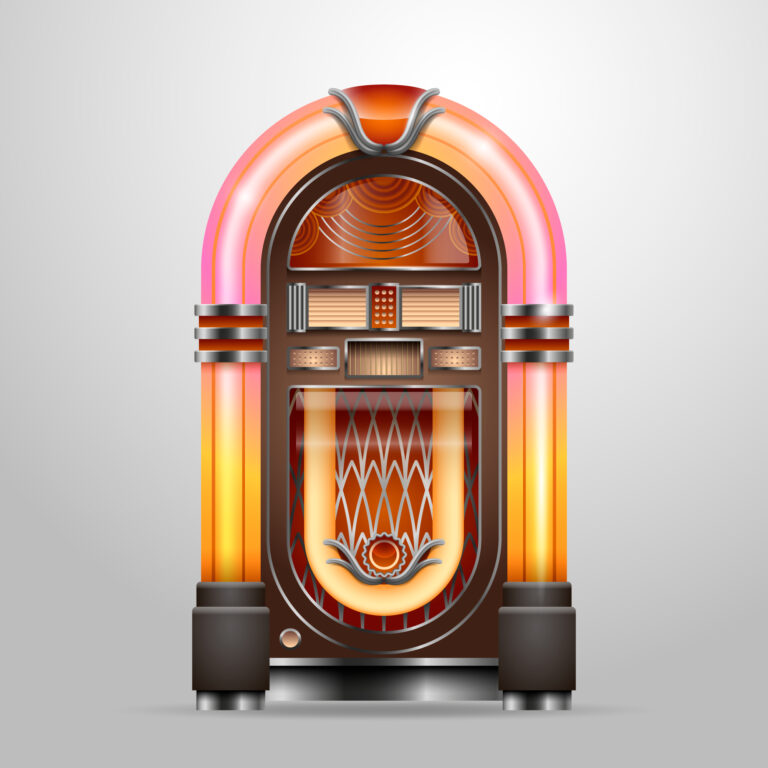
RFID Smart Jukebox — Interactive Music System
A Raspberry Pi-based jukebox where users tap RFID cards to queue songs. Built for bars, venues, and event spaces — touchscreen UI, speaker integration, and remote playlist management.
Read more →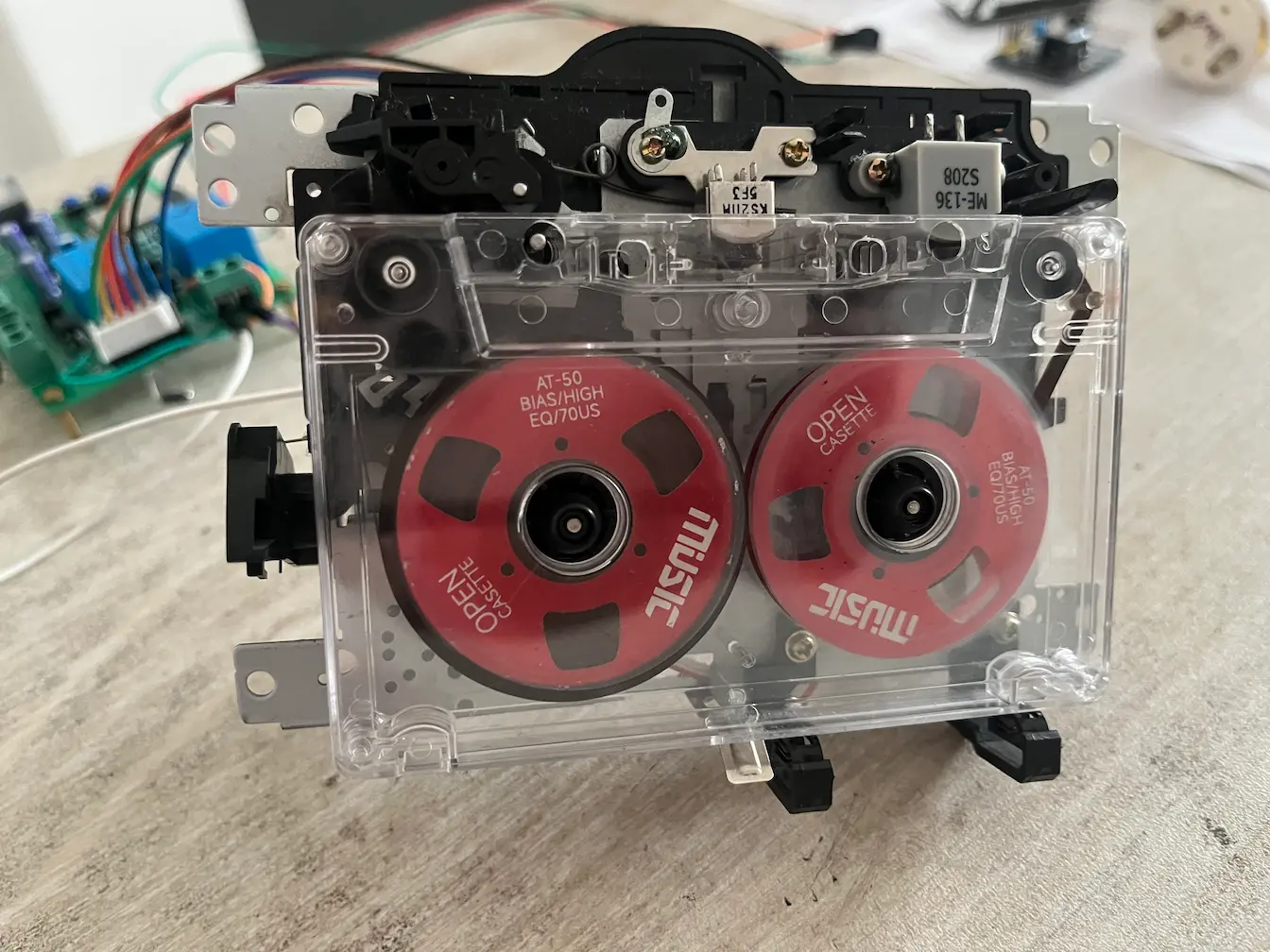
ESP32 Cassette Deck Controller — WiFi Retrofit
Retrofitted a classic cassette deck with an ESP32 custom PCB — relay-based transport control, WiFi connectivity, and a web interface for remote operation.
Read more →What Clients Say
Reviews from operators and product owners who shipped hardware modernisation projects with us.
"Highly stable, customizable software with excellent support — perfect for our arcade environment."
"Great experience working with this developer. Professional, responsive, and easy to work with throughout the project. Everything is moving smoothly, and we already started discussing additional projects for future systems and machines. Definitely recommended."
What Changes After Conversion
The cabinet stays. Everything inside it gets better.
Cashless Payments
RFID, NFC, or QR-based payment replaces coins and tokens. Pre-paid cards, time-based billing, per-user session tracking.
Cloud Dashboard
Activate or deactivate units remotely, monitor live status, view session analytics, and manage payments — from a browser, across every venue.
Over-the-Air Updates
Push firmware and content updates remotely — no technician visit, no opening the cabinet. New games, playlists, or features deployed from your desk.
Time & Usage Logging
Per-machine, per-session logging — stored locally and synced to the cloud. Know what's being used, when, and for how long.
Connectivity
WiFi, BLE, or Ethernet — the right link for the deployment. Local database ensures no data loss during connectivity gaps.
SD Card Scalability
Image a card, drop it in a new unit, power on. The cloud picks it up. No per-unit programming, no factory flashing.
Have Legacy Hardware That Needs a Modern Brain?
Whether it's an arcade cabinet, a jukebox, an audio deck, or something we haven't seen yet — if it runs on old chips, we can modernise it.